missing translation for 'onlineSavingsMsg'
Learn More
Learn More

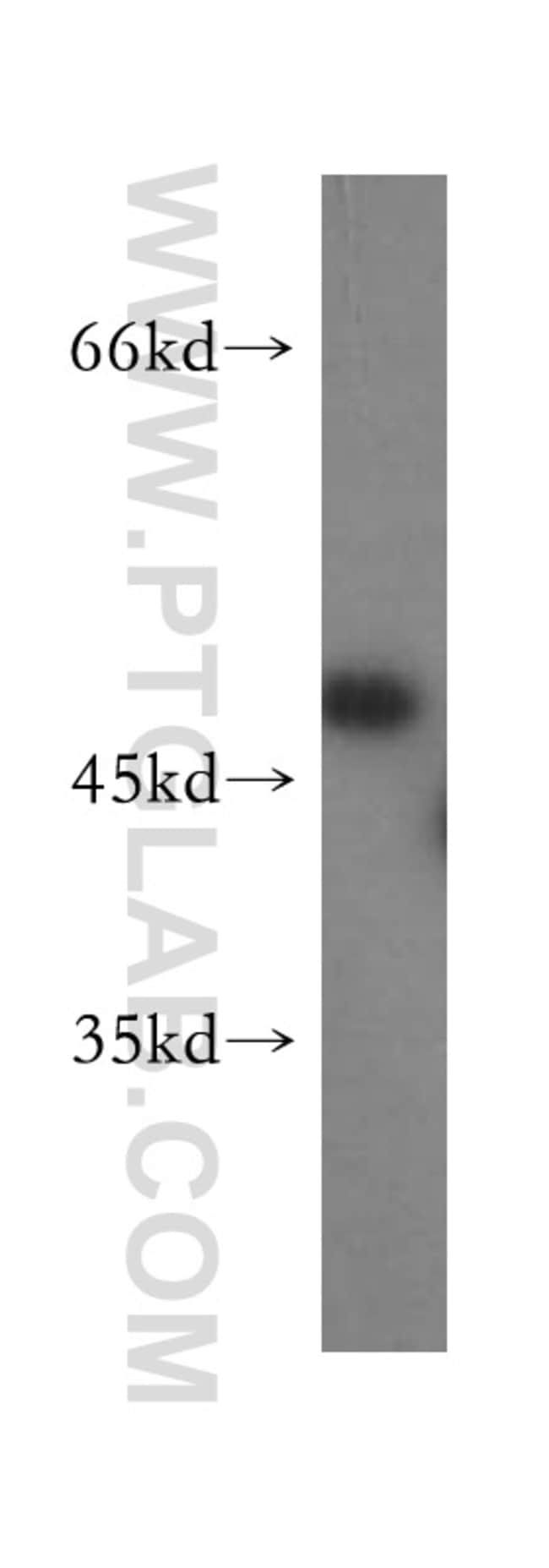

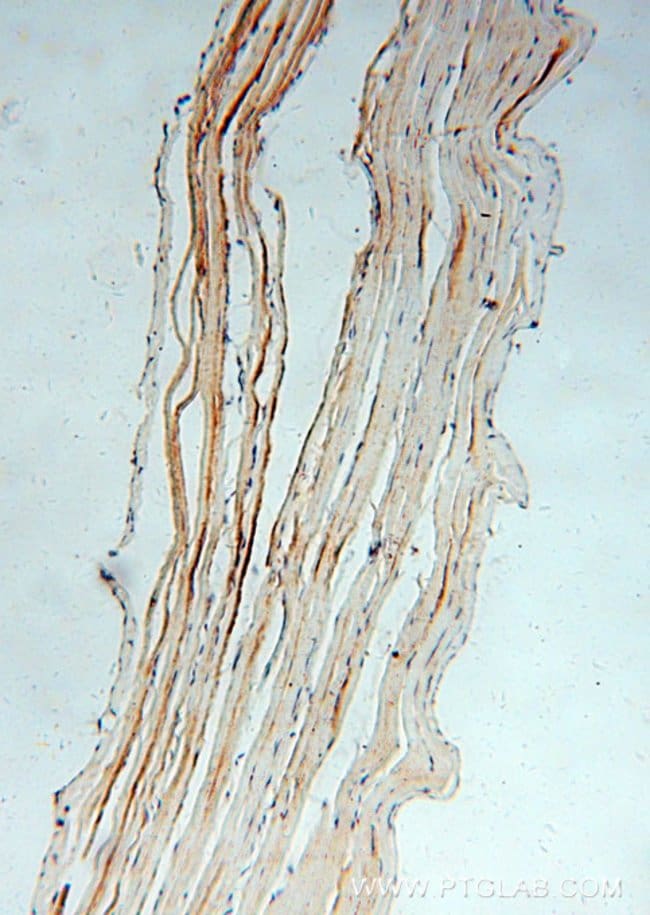
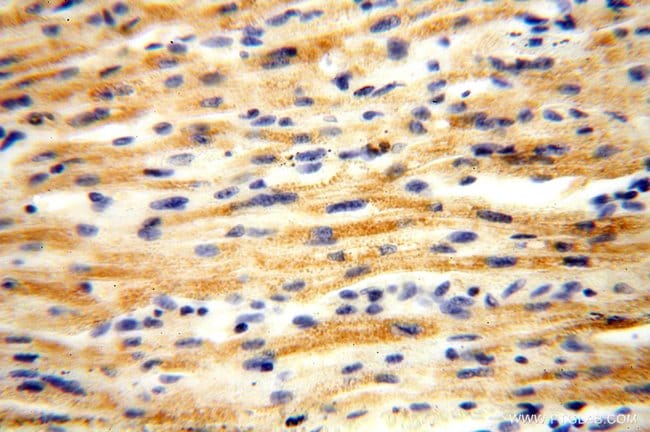
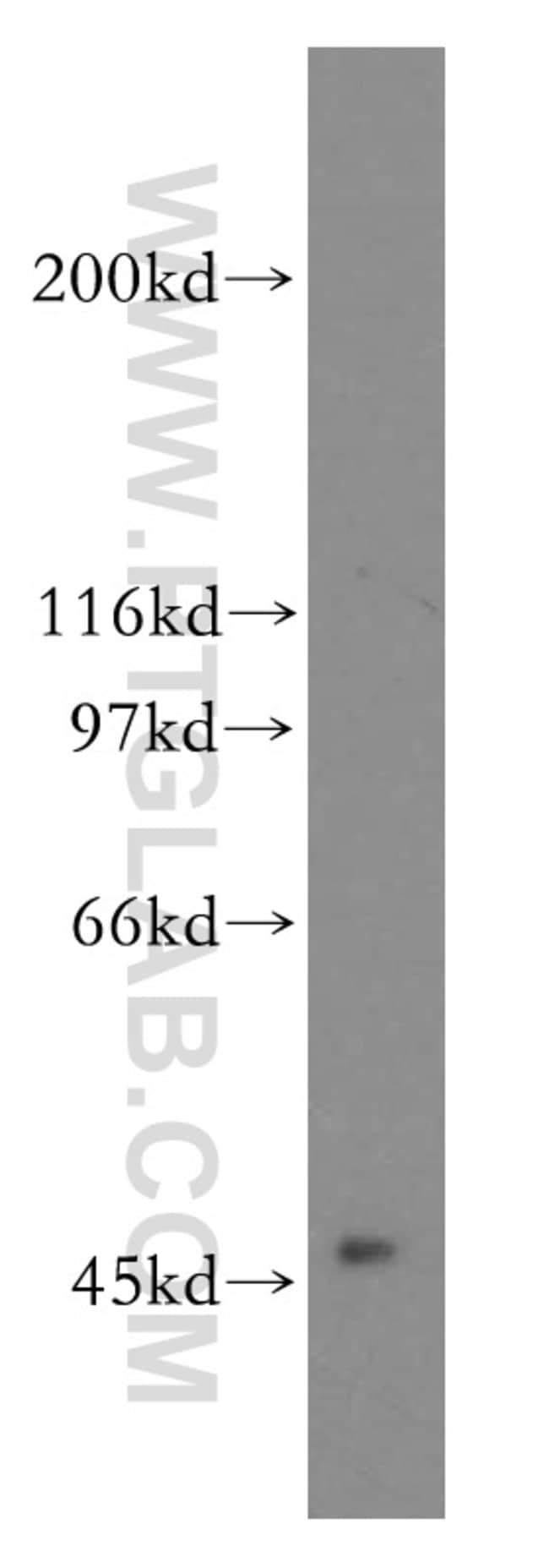

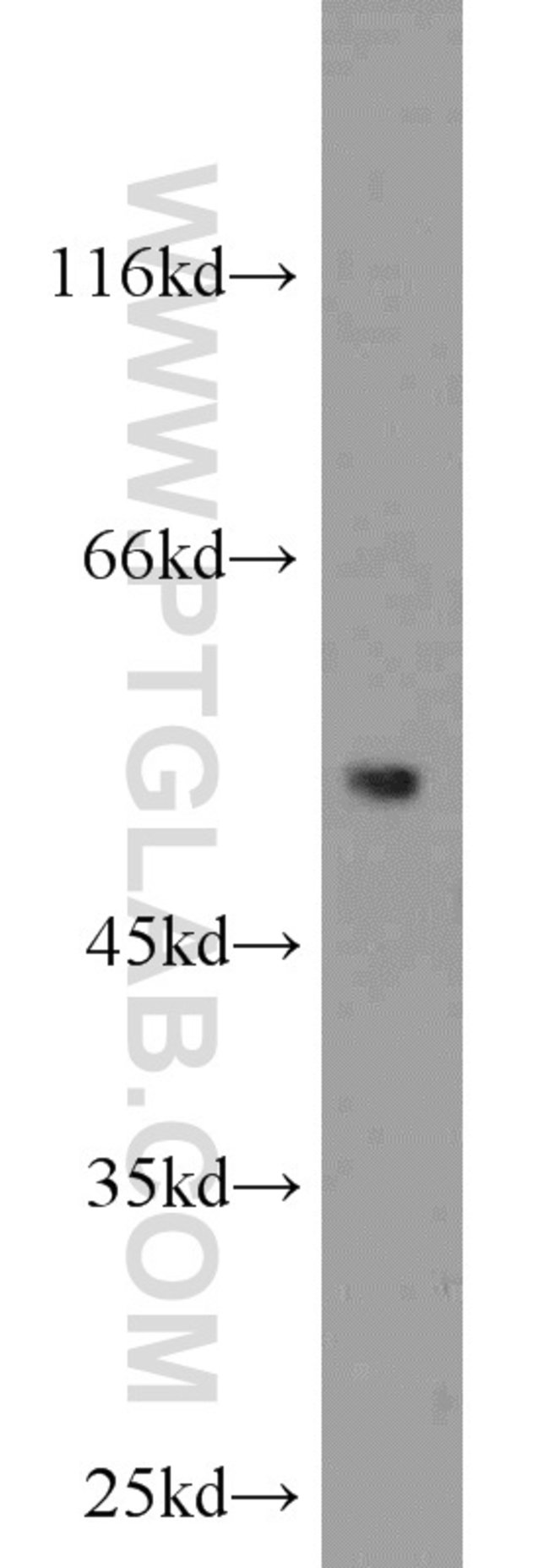

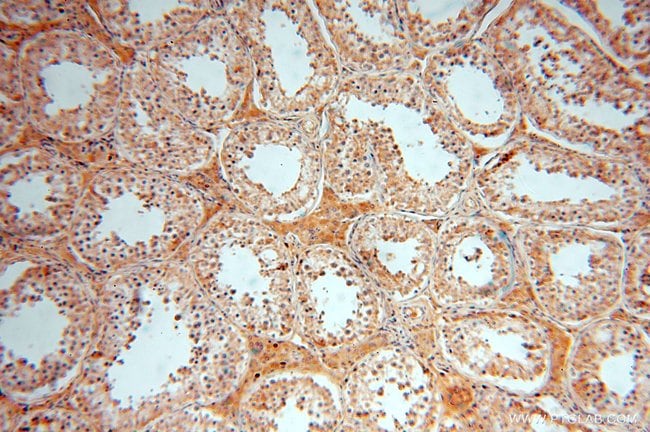
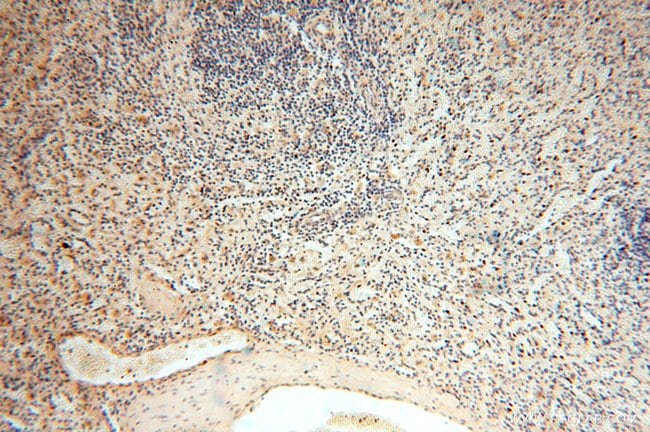
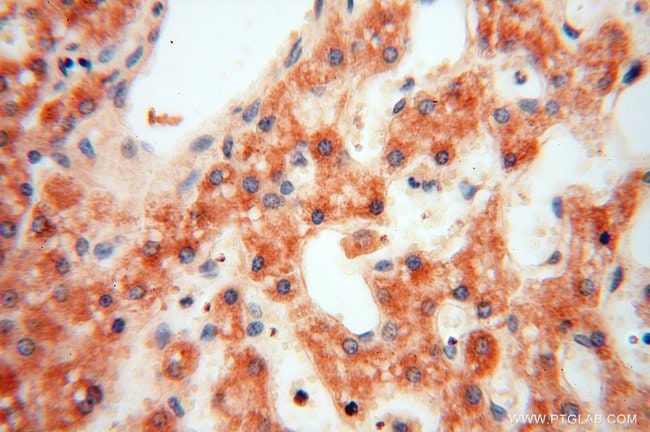
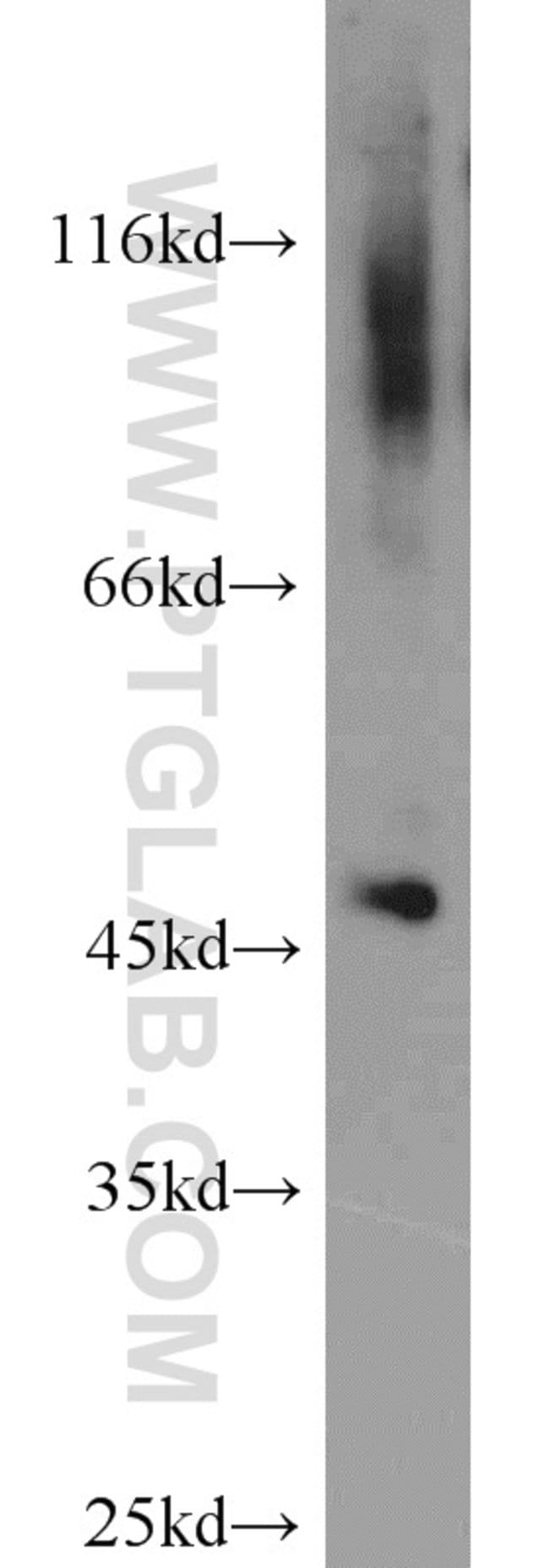
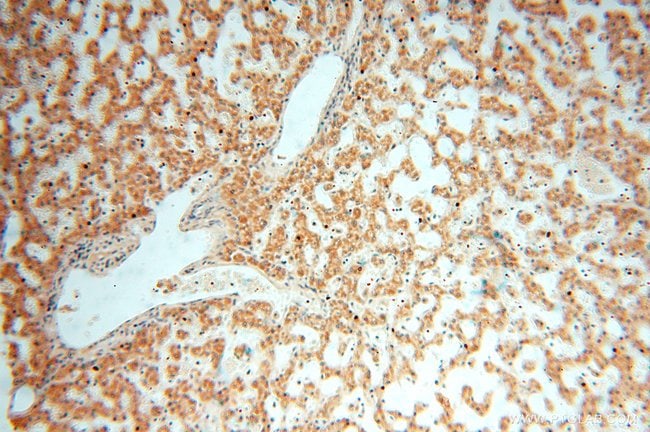
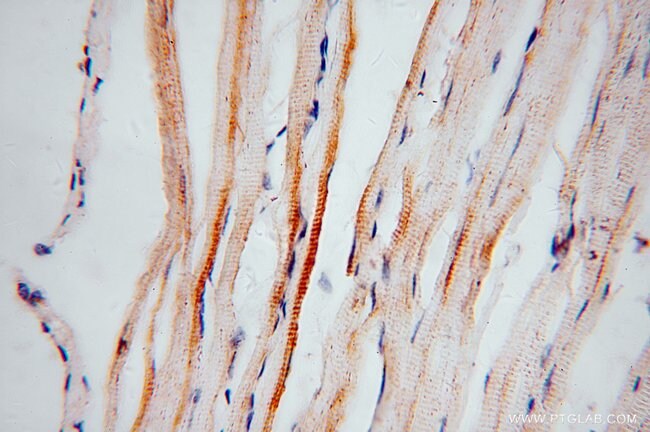
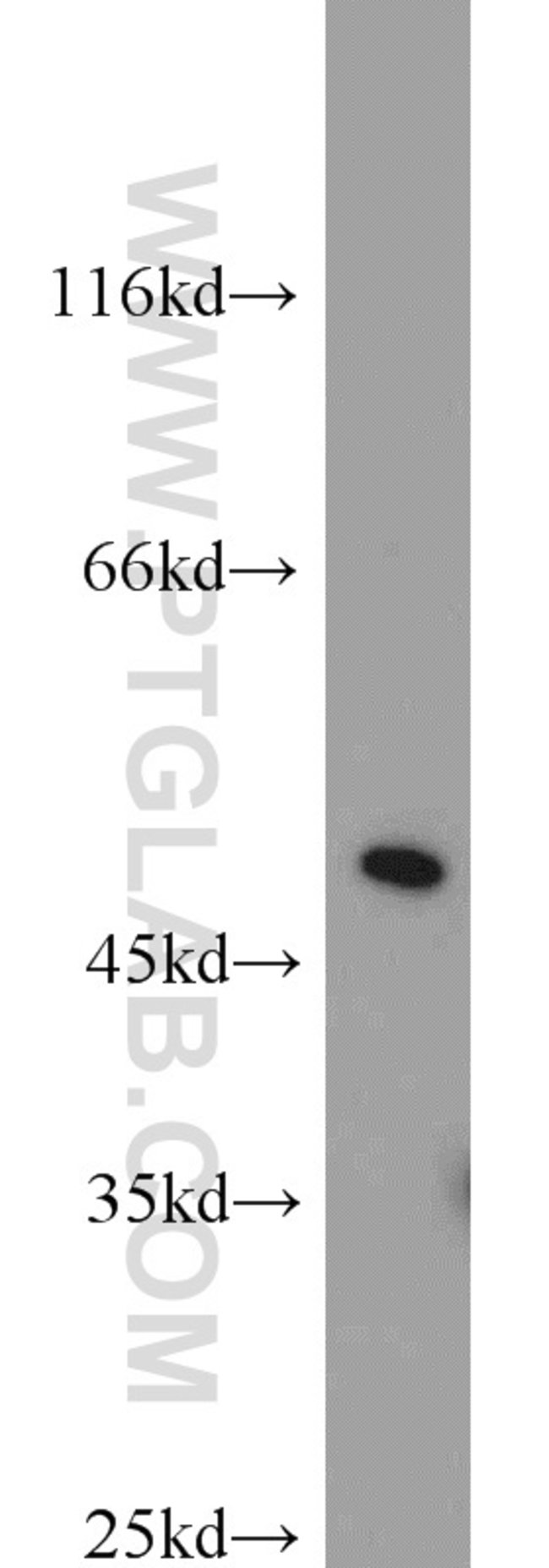
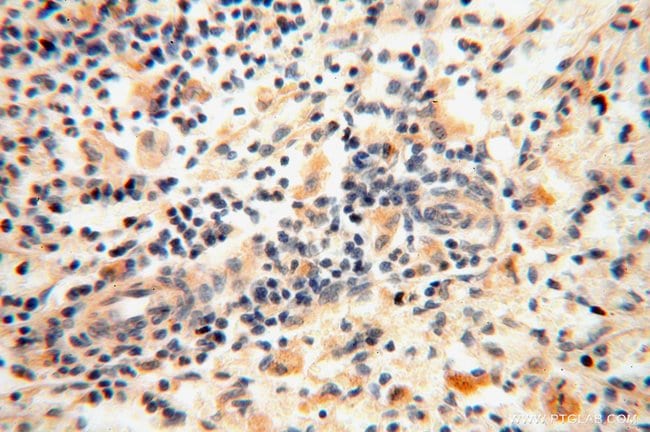
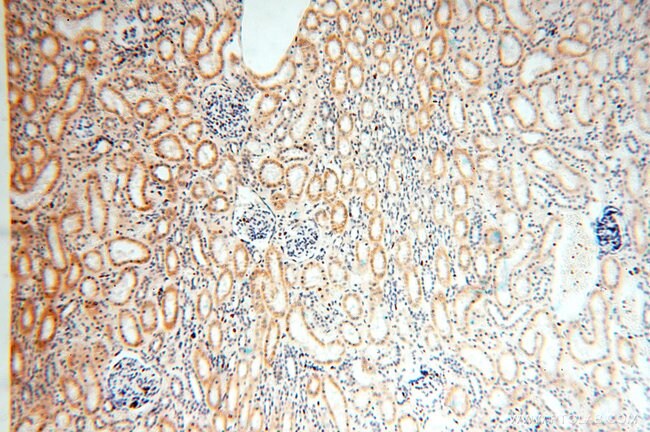
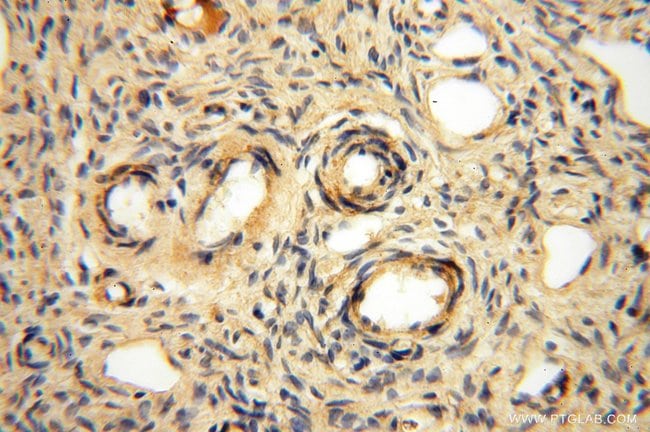
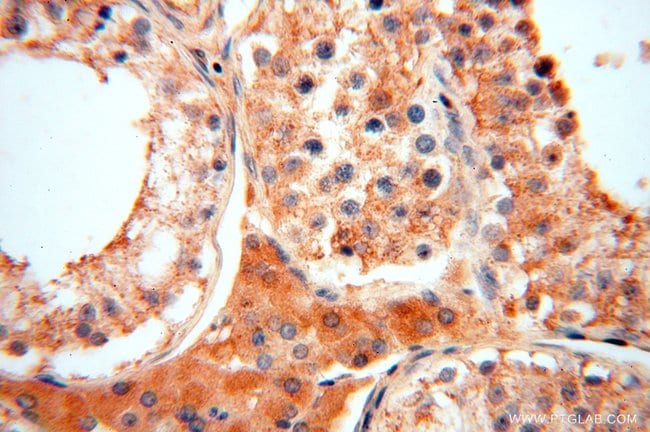
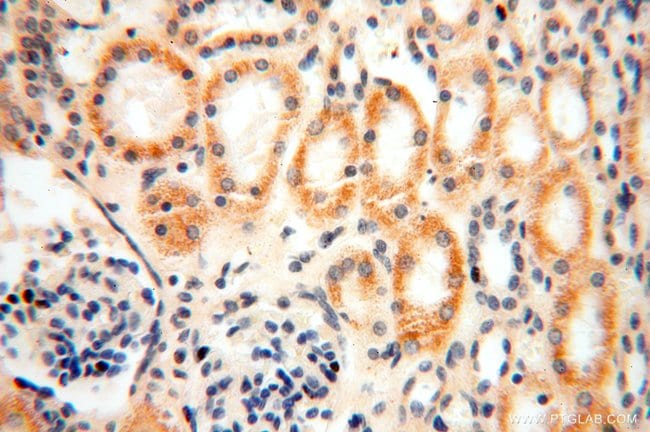
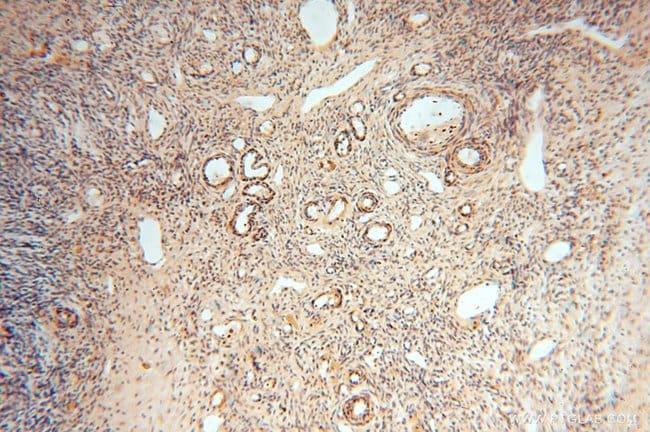
Description
Acyl-CoA thioesterases (ACOTs) are a group of enzymes that catalyze the hydrolysis of acyl-CoA to form coenzyme A (CoA) and a free fatty acid. Through their catalytic activity, ACOTs are able to regulate the level of fatty acids and acyl-CoAs within the cell. ACOT1 (acyl-CoA thioesterase 1, also known as CTE1) and ACOT2 (acyl-CoA thioesterase 2, also known as PTE2) are members of the ACOT family and exhibit different cellular localization, with ACOT1 existing as a monomer in the cytoplasm and ACOT2 localized primarily to mitochondria. Characteristic of most ACOT proteins, ACOT1 and ACOT2 catalyze the conversion of Palmitoyl-CoA and water to free CoA and palmitate, a reaction that is important for the regulation of intercellular fatty acid levels. ACOT2 is expressed as multiple alternatively spliced isoforms and, like ACOT1, is encoded by a gene which maps to human chromosome 14.
Specifications
Specifications
| Antigen | ACOT2 |
| Applications | Immunocytochemistry, Immunofluorescence, Immunohistochemistry (Paraffin), Immunoprecipitation, Western Blot |
| Classification | Polyclonal |
| Concentration | 0.13 mg/mL |
| Conjugate | Unconjugated |
| Formulation | PBS with 50% glycerol and 0.02% sodium azide; pH 7.3 |
| Gene | ACOT2 |
| Gene Accession No. | O55171, P49753, Q9QYR9 |
| Gene Alias | ACOT2, acyl CoA thioesterase 2, CTE Ia, Mte1, PTE2, PTE2A, ZAP128 |
| Gene Symbols | Acot2 |
| Show More |
Product Title
By clicking Submit, you acknowledge that you may be contacted by Fisher Scientific in regards to the feedback you have provided in this form. We will not share your information for any other purposes. All contact information provided shall also be maintained in accordance with our Privacy Policy.
Spot an opportunity for improvement?