missing translation for 'onlineSavingsMsg'
Learn More
Learn More
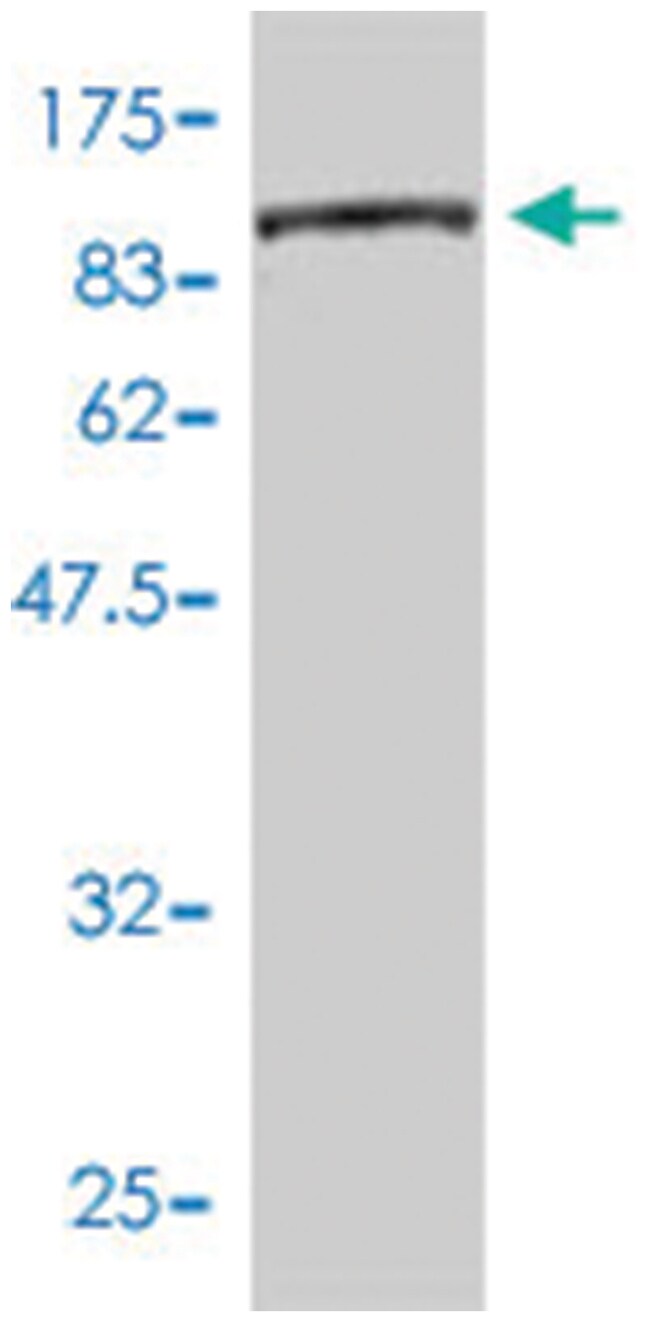
CTPS, Mouse, Clone: 2G7-1D10, Abnova™
Description
The catalytic conversion of UTP to CTP is accomplished by the enzyme cytidine-5-prime-triphosphate synthetase. The enzyme is important in the biosynthesis of phospholipids and nucleic acids, and plays a key role in cell growth, development, and tumorigenesis. The region to which the CTPS gene has been mapped is the location of breakpoints involved in several tumor types [provided by RefSeq
Sequence: MKYILVTGGVISGIGKGIIASSVGTILKSCGLHVTSIKIDPYINIDAGTFSPYEHGEVFVLDDGGEVDLDLGNYERFLDIRLTKDNNLTTGKIYQYVINKERKGDYLGKTVQVVPHITDAIQEWVMRQALIPVDEDGLEPQVCVIELGGTVGDIESMPFIEAFRQFQFKVKRENFCNIHVSLVPQPSSTGEQKTKPTQNSVRELRGLGLSPDLVVCRCSNPLDTSVKEKISMFCHVEPEQVICVHDVSSIYRVPLLLEEQGVVDYFLRRLDLPIERQPRKMLMKWKEMADRYDRLLETCSIALVGKYTKFSDSYASVIKALEHSALAINHKLEIKYIDSADLEPITSQEEPVRYHEAWQKLCSAHGVLVPGGFGVRGTEGKIQAIAWARNQKKPFLGVCLGMQLAVVEFSRNVLGWQDANSTEFDPTTSHPVVVDMPEHNPGQMGGTMRLGKRRTLFQTKNSVMRKLYGDADYLEERHRHRFEVNPVWKKCLEEQGLKFVGQDVEGERMEIVELEDHPFFVGVQYHPEFLSRPIKPSPPYFGLLLASVGRLSHYLQKGCRLSPRDTYSDRIGSSSPDSEITELKFPSINHD
Specifications
Specifications
| Antigen | CTPS |
| Applications | ELISA, Western Blot |
| Classification | Monoclonal |
| Clone | 2G7-1D10 |
| Conjugate | Unconjugated |
| Description | Mouse monoclonal antibody raised against a full length recombinant CTPS. |
| Formulation | PBS with no preservative; pH 7.4 |
| Gene | CTPS |
| Gene Accession No. | BC009408 |
| Gene Symbols | CTPS |
| Show More |
Safety and Handling

Product Identifier
- CTPS monoclonal antibody (M01) clone 2G7-1D10
- Warning
- Acute toxicity Category 4
- Serious eye damage/eye irritation Category 2
- H302-Harmful if swallowed.
- H312-Harmful in contact with skin.
- H319-Causes serious eye irritation.
- P102-Keep out of reach of children.
- P103-Read label before use.
- P233-Keep container tightly closed.
- P264-Wash hands thoroughly after handling.
- P270-Do not eat, drink or smoke when using this product.
- P280-Wear protective gloves/protective clothing/eye protection/face protection.
- P305+P351+P338-IF IN EYES: Rinse cautiously with water for several minutes. Remove contact lenses, if present and easy to do. Continue rinsing.
- P404-Store in a closed container.
- MIXTURE LIST-Contain: sodium phosphate dibasic, sodium phospahte monobasic
Product Title
By clicking Submit, you acknowledge that you may be contacted by Fisher Scientific in regards to the feedback you have provided in this form. We will not share your information for any other purposes. All contact information provided shall also be maintained in accordance with our Privacy Policy.
Spot an opportunity for improvement?