Learn More
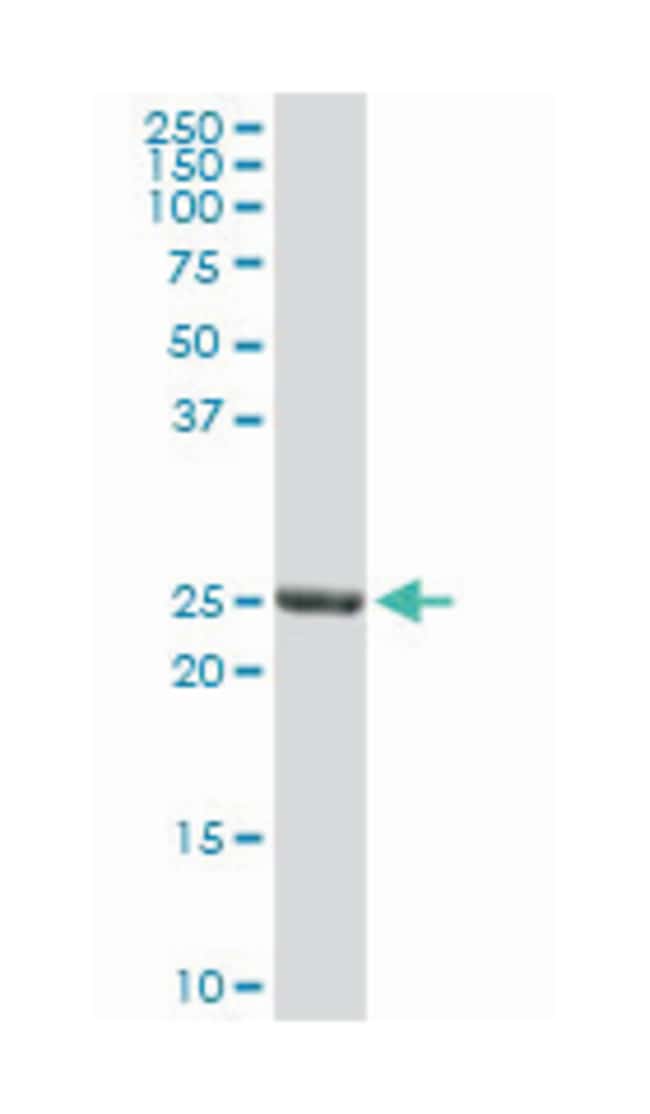
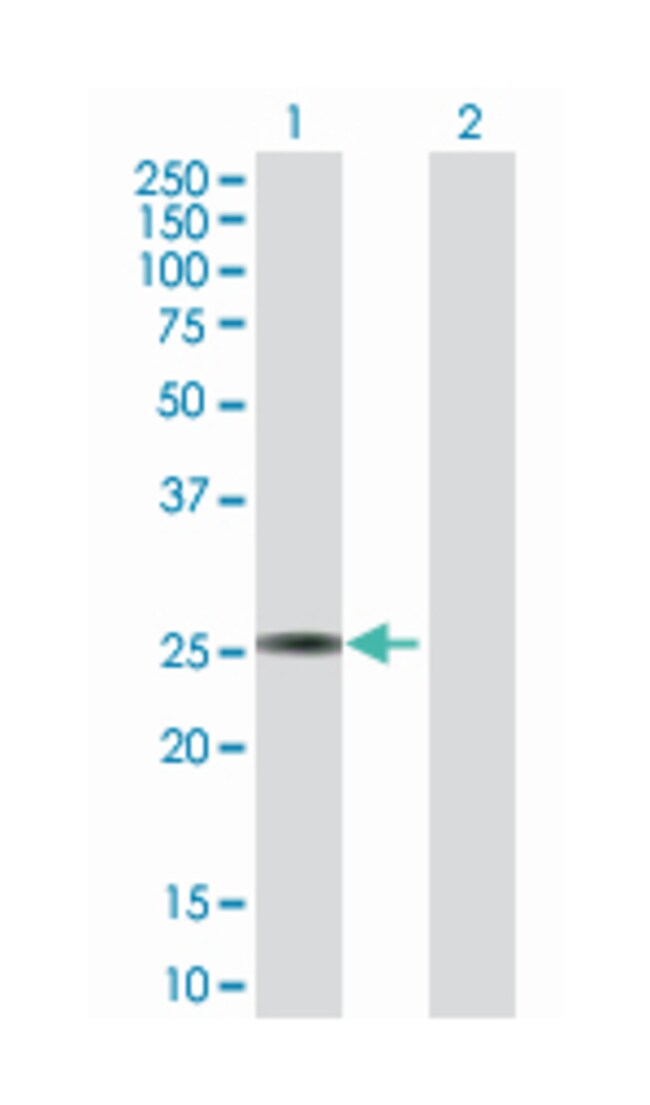
glutathione S-transferase alpha 3, Rabbit, Purified MaxPab™ Polyclonal Antibody, Abnova™
Description
Cytosolic and membrane-bound forms of glutathione S-transferase are encoded by two distinct supergene families. These enzymes are involved in cellular defense against toxic, carcinogenic, and pharmacologically active electrophilic compounds. At present, eight distinct classes of the soluble cytoplasmic mammalian glutathione S-transferases have been identified: alpha, kappa, mu, omega, pi, sigma, theta and zeta. This gene encodes a glutathione S-tranferase belonging to the alpha class genes that are located in a cluster mapped to chromosome 6. Genes of the alpha class are highly related and encode enzymes with glutathione peroxidase activity. However, during evolution, this alpha class gene diverged accumulating mutations in the active site that resulted in differences in substrate specificity and catalytic activity. The enzyme encoded by this gene catalyzes the double bond isomerization of precursors for progesterone and testosterone during the biosynthesis of steroid hormones. An additional transcript variant has been identified, but its full length sequence has not been determined. [provided by RefSeq
Specifications
Specifications
| Antigen | glutathione S-transferase alpha 3 |
| Applications | Western Blot |
| Classification | Polyclonal |
| Conjugate | Unconjugated |
| Description | Rabbit polyclonal antibody raised against a full-length human GSTA3 protein. |
| Formulation | PBS with no preservative; pH 7.4 |
| Gene | GSTA3 |
| Gene Accession No. | BC020619.1 |
| Gene Alias | GSTA3-3/GTA3/MGC22232 |
| Gene Symbols | GSTA3 |
| Show More |
By clicking Submit, you acknowledge that you may be contacted by Fisher Scientific in regards to the feedback you have provided in this form. We will not share your information for any other purposes. All contact information provided shall also be maintained in accordance with our Privacy Policy.