Learn More
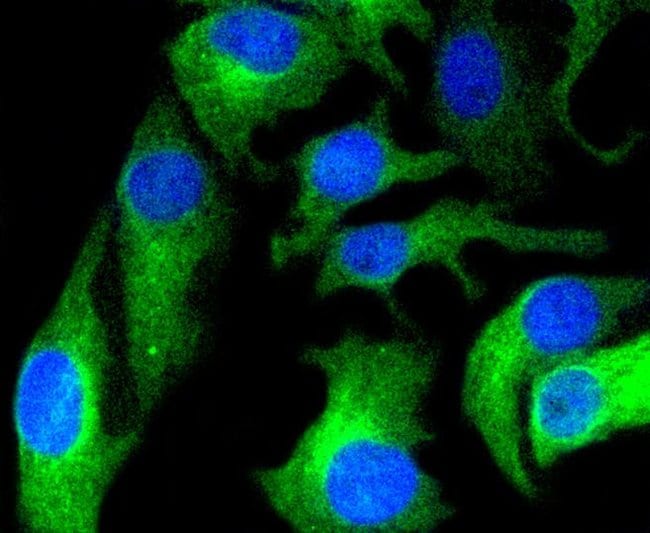
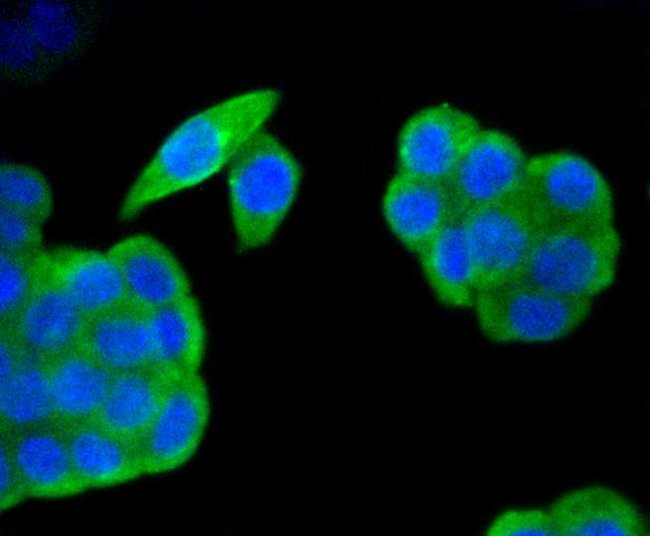
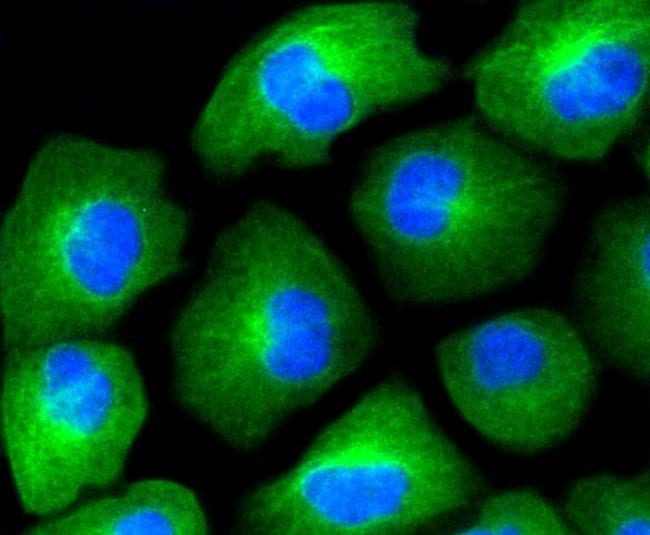
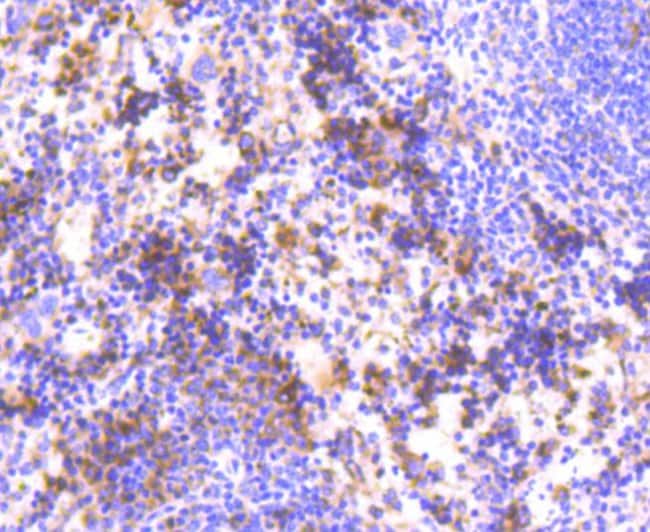
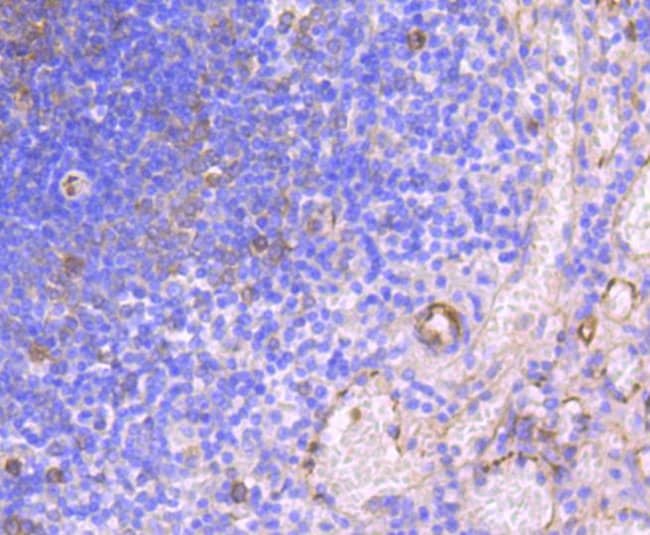
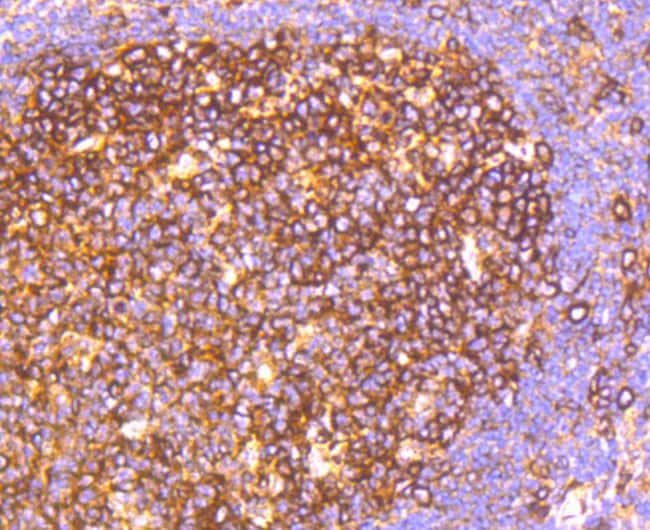
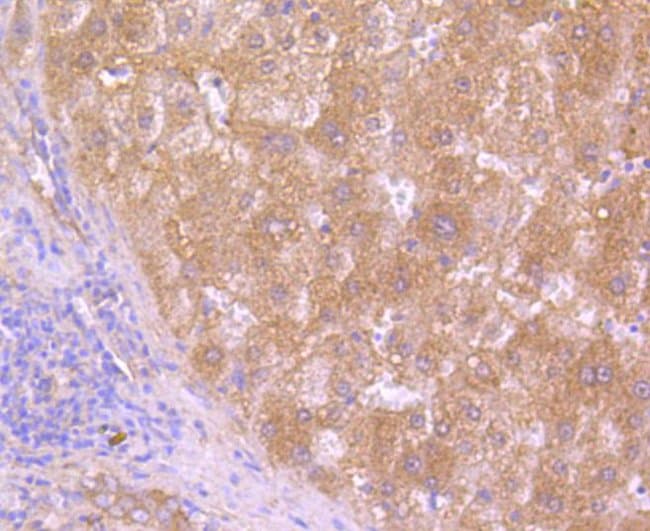
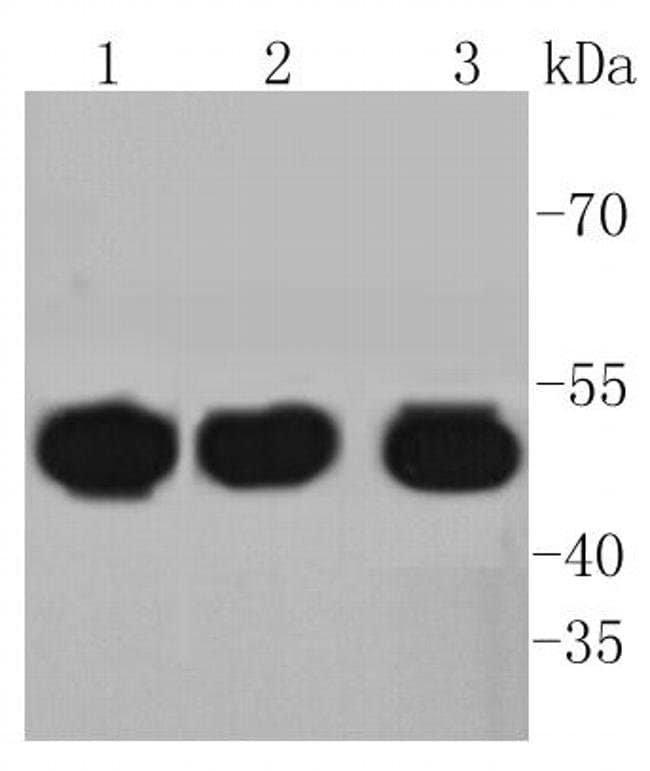
Invitrogen™ HAPLN1 Recombinant Rabbit Monoclonal Antibody (SY02-17)

Description
Recombinant rabbit monoclonal antibodies are produced using in vitro expression systems. The expression systems are developed by cloning in the specific antibody DNA sequences from immunoreactive rabbits. Then, individual clones are screened to select the best candidates for production. The advantages of using recombinant rabbit monoclonal antibodies include: better specificity and sensitivity, lot-to-lot consistency, animal origin-free formulations, and broader immunoreactivity to diverse targets due to larger rabbit immune repertoire.

Specifications
Specifications
| Antigen | HAPLN1 |
| Applications | Immunohistochemistry (Paraffin), Western Blot, Immunocytochemistry |
| Classification | Recombinant Monoclonal |
| Clone | SY02-17 |
| Concentration | 1 mg/mL |
| Conjugate | Unconjugated |
| Formulation | TBS with 0.05% BSA, 40% Glycerol and 0.05% sodium azide; pH 7.4 |
| Gene | HAPLN1 |
| Gene Accession No. | P03994, P10915, Q9QUP5 |
| Gene Alias | BB099155; Cartilage link protein; cartilage link protein 1; cartilage linking protein 1; cartilage-link protein; Cartilage-linking protein 1; CLP; CRT1; Crtl1; Crtl1l; fc26f11; fc37g04; fc50e12; fc55h01; HAPLN1; hapln1a; Hyaluronan and proteoglycan link protein 1; hyaluronan and proteoglycan link protein 1a; hyaluronan proteoglycan link protein 1; link protein; LP; LP-1; Proteoglycan link protein; wu:fc26f11; wu:fc37g04; wu:fc50e12; wu:fc55h01 |
| Show More |
Indem Sie auf Absenden klicken, erklären Sie sich damit einverstanden, dass Fisher Scientific sich mit Ihnen in Verbindung setzen kann, um Ihr Feedback in diesem Formular zu bearbeiten. Wir werden Ihre Informationen nicht für andere Zwecke weitergeben. Alle bereitgestellten Kontaktinformationen werden in Übereinstimmung mit unserer Datenschutzrichtlinie aufbewahrt. Datenschutzrichtlinie.