missing translation for 'onlineSavingsMsg'
Learn More
Learn More
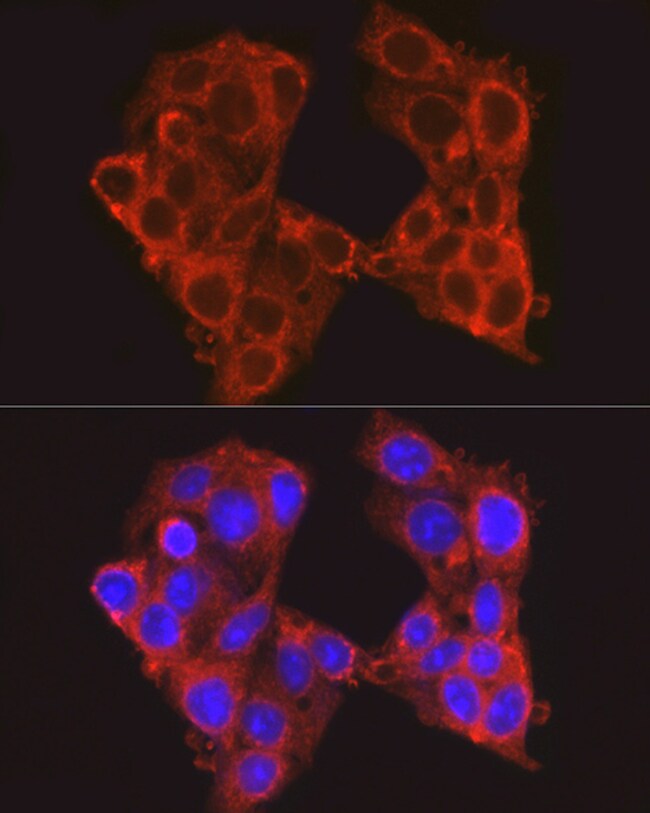
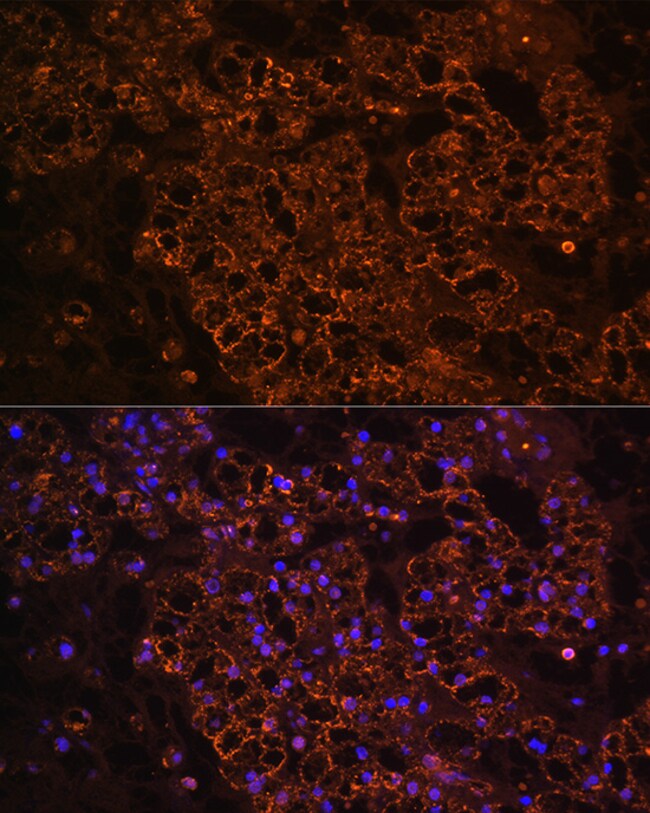
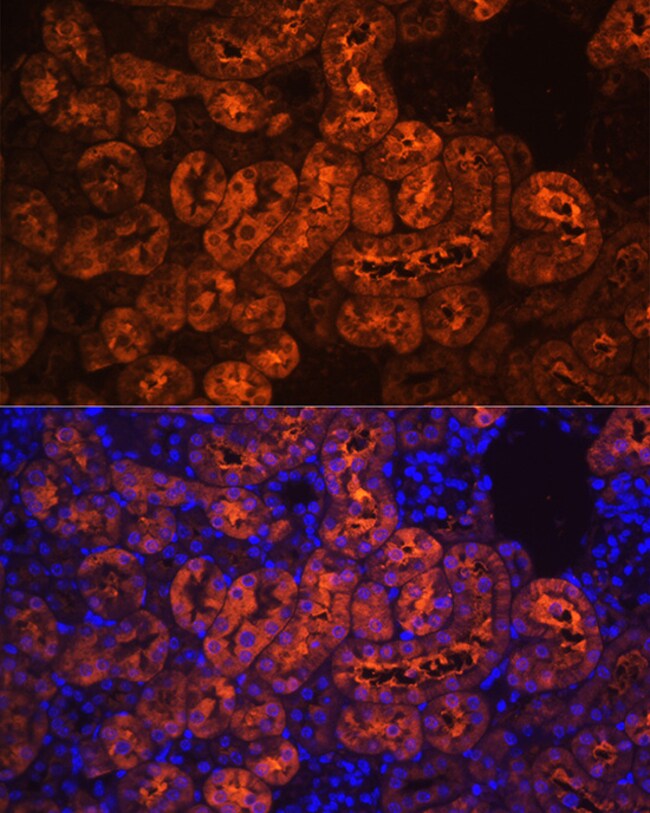
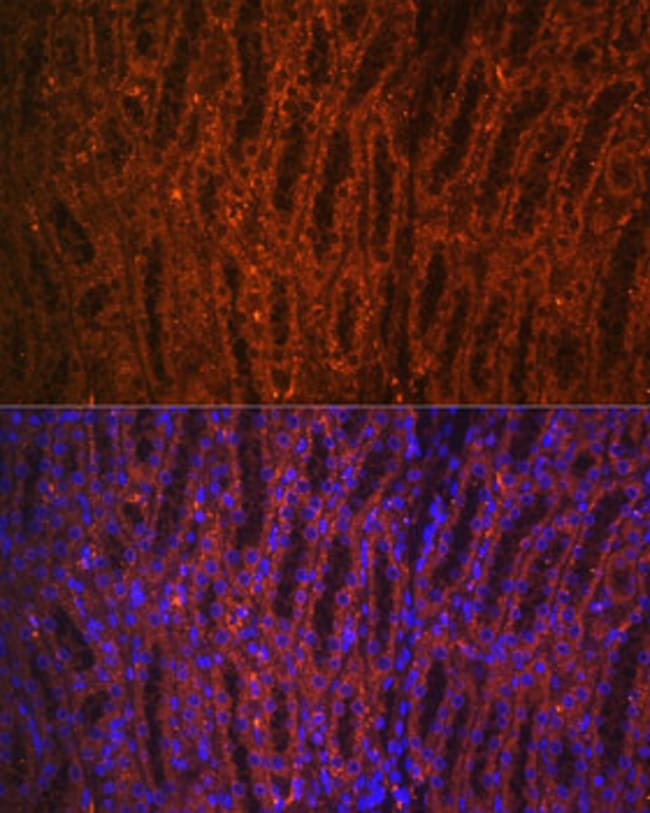
Invitrogen™ PCK1 Polyclonal Antibody

Description
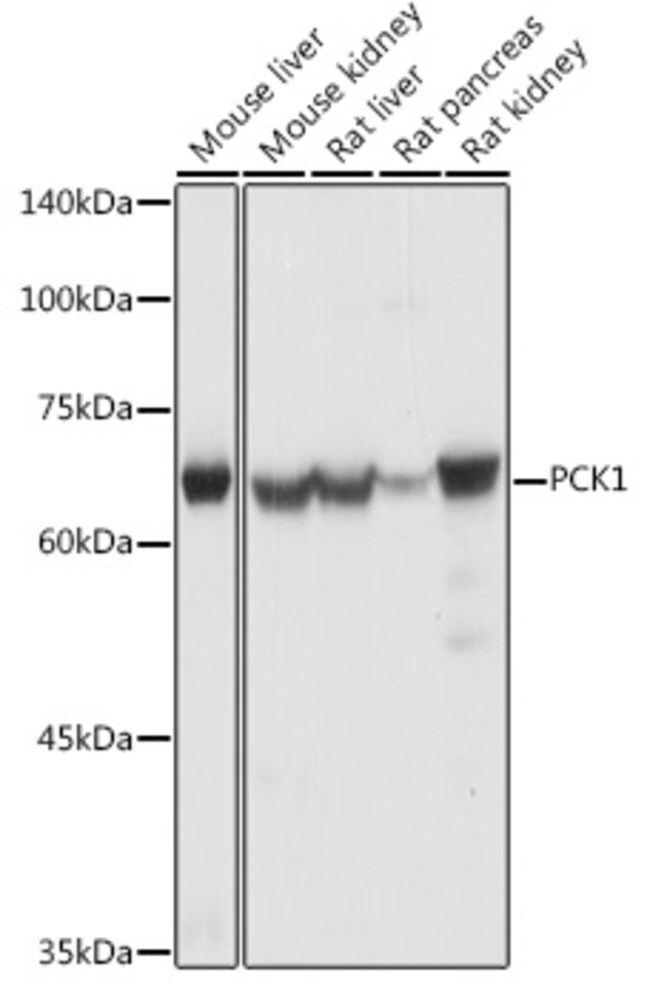
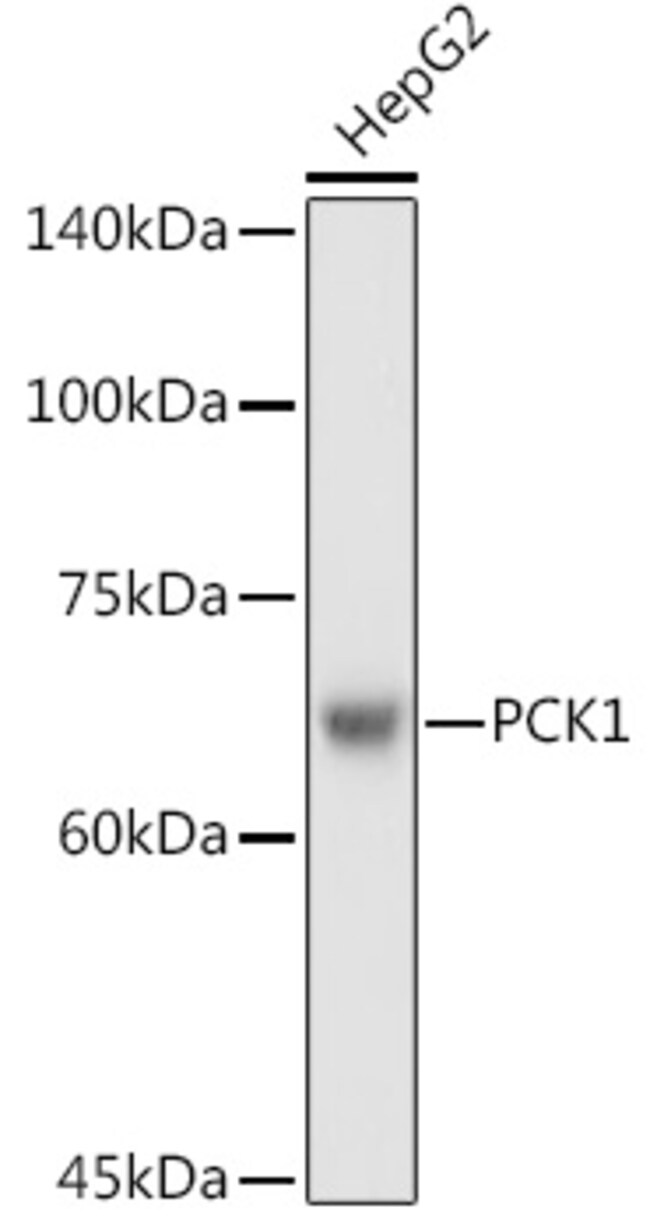
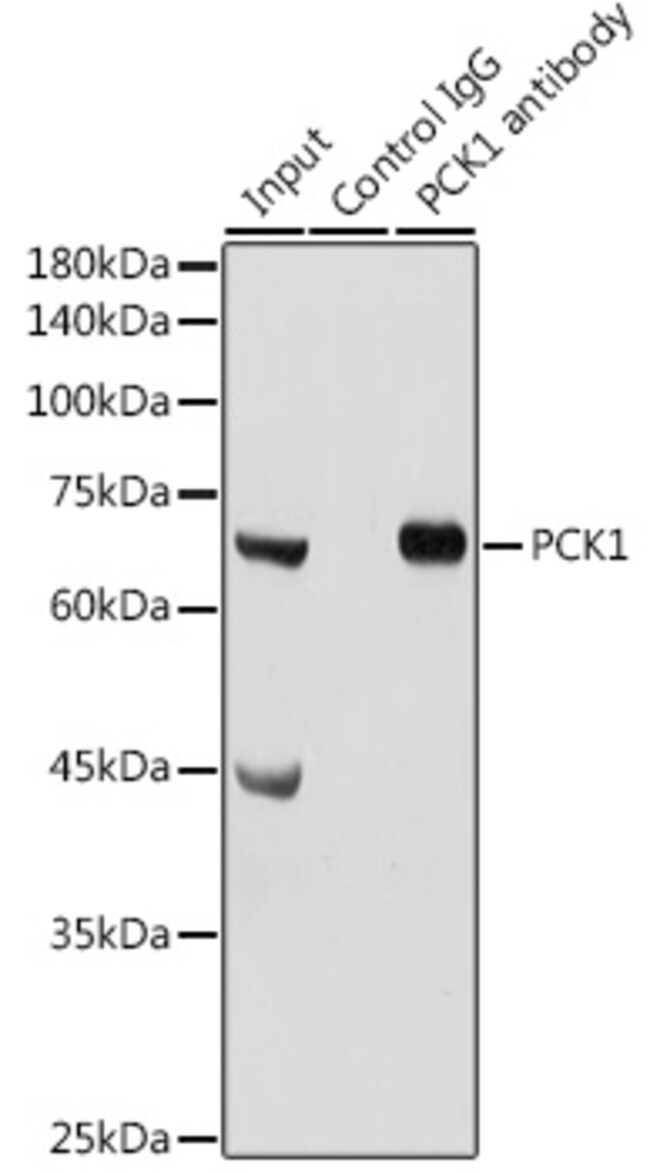
Positive test controls include: HepG2, Mouse liver, Mouse kidney, Rat liver, Rat pancreas, Rat kidney. The target is usually found in the following locations: Cytoplasm. Immunogen sequence: FGKYLAHWLS MAQHPAAKLP KIFHVNWFRK DKEGKFLWPG FGENSRVLEW MFNRIDGKAS TKLTPIGYIP KEDALNLKGL GHINMMELFS ISKEFWEKEV EDIEKYLEDQ VNADLPCEIE REILALKQRI SQM.
Phosphoenolpyruvate Carboxykinase 1 (PCK1) is a main control point for the regulation of gluconeogenesis. During gluconeogenesis PCK1 acts as the rate-limiting enzyme. PCK1 regulates the formation and maintenance of memory CH8(+) T-cells via gluconeogenesis. PCK1 aids in controlling the levels of metabolic intermediates in the citric acid cycle by regulating cataplerosis and anaplerosis. When glucose levels are high, PCK1 catalyzes the cataplerotic conversion of oxaloacetate to phosphoenolpyruvate (PEP). When they are low it catalyzes the anaplerotic conversion of phosphoenolpyruvate to oxaloacetate. When phosphorylated at Ser-90 by AKT1, PCK1 acts as a protein kinase by reducing the binding affinity to oxaloacetate and promotes an atypical serine protein kinase activity using GTP as the donor. This activity regulates lipogenesis by disrupting the interaction between INSIG proteins and SCAP and promoting nuclear translocation of SREBP proteins and transcription of lipogenesis-related genes. An important paralog of this gene is PCK2.

Specifications
Specifications
| Antigen | PCK1 |
| Applications | ELISA, Immunohistochemistry (Paraffin), Immunoprecipitation, Western Blot, Immunocytochemistry |
| Classification | Polyclonal |
| Concentration | 2.53 mg/mL |
| Conjugate | Unconjugated |
| Formulation | PBS with 50% glycerol and 0.09% sodium azide; pH 7.3 |
| Gene | PCK1 |
| Gene Accession No. | P07379, P35558, Q9Z2V4 |
| Gene Alias | AI265463; GTP; HGNC:8724; MGC22652; PCK; Pck1; Pck-1; PE PEPCKC; PEP carboxykinase; PEPCK; PEPCK1; PEPCKC; PEPCK-C; phosphoenolpyruvate carboxykinase (GTP); phosphoenolpyruvate carboxykinase 1; phosphoenolpyruvate carboxykinase 1 (soluble); phosphoenolpyruvate carboxykinase 1, cytosolic; phosphoenolpyruvate carboxykinase, cytosolic; phosphoenolpyruvate carboxykinase, cytosolic (GTP); phosphoenolpyruvate carboxykinase, cytosolic [GTP]; phosphoenolpyruvate carboxylase; phosphopyruvate carboxylase; RATPEPCK |
| Gene Symbols | PCK1 |
| Show More |
Product Title
By clicking Submit, you acknowledge that you may be contacted by Fisher Scientific in regards to the feedback you have provided in this form. We will not share your information for any other purposes. All contact information provided shall also be maintained in accordance with our Privacy Policy.
Spot an opportunity for improvement?