missing translation for 'onlineSavingsMsg'
Learn More
Learn More
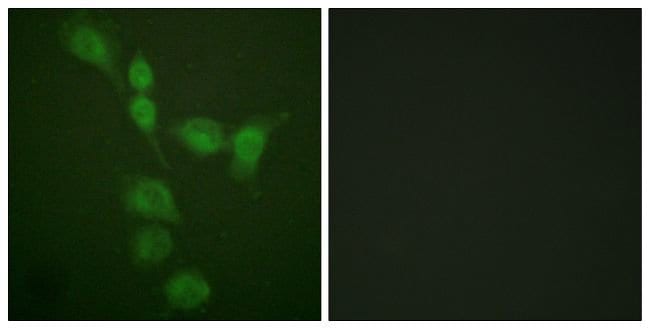
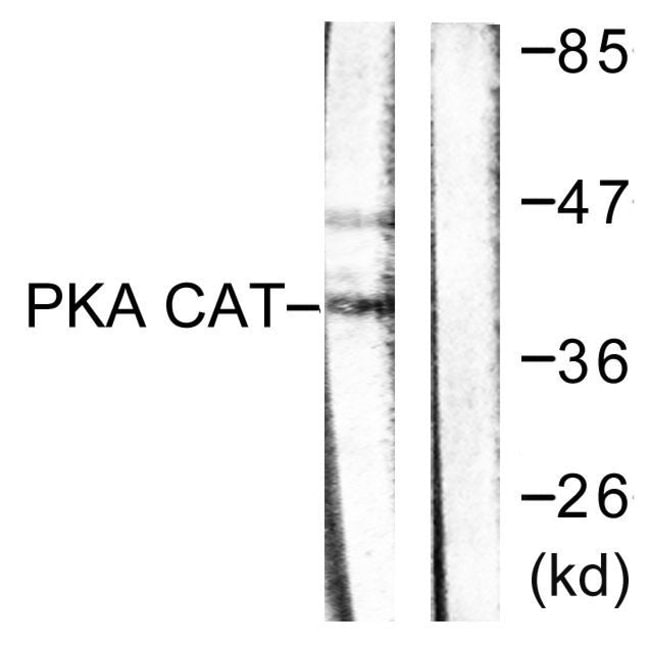
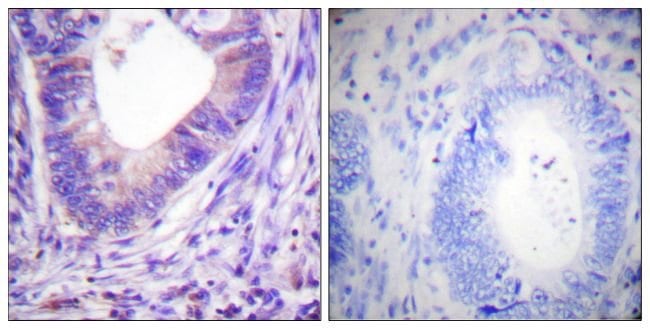
PKA alpha/beta Polyclonal Antibody, Invitrogen™
Rabbit Polyclonal Antibody
Brand: Invitrogen PA538316
This item is not returnable.
View return policy
Description
cAMP is a signaling molecule important for a variety of cellular functions. cAMP exerts its effects by activating the cAMP-dependent protein kinase (AMPK), which transduces the signal through phosphorylation of different target proteins. The inactive holoenzyme of AMPK is a tetramer composed of two regulatory and two catalytic subunits. cAMP causes the dissociation of the inactive holoenzyme into a dimer of regulatory subunits bound to four cAMP and two free monomeric catalytic subunits. Four different regulatory subunits and three catalytic subunits of AMPK have been identified in humans. PRKACB is a member of the Ser/Thr protein kinase family and is a catalytic subunit of AMPK.
Specifications
| PKA alpha/beta | |
| Polyclonal | |
| Unconjugated | |
| PRKACB | |
| PRKC Pan, Protein kinase C alpha type, PKC-A, PKC-alpha, PRKCA, PKCA, PRKACA, PKCB, PRKCB2, Protein kinase C beta type, PKC-B, PKC-beta | |
| Rabbit | |
| Antigen affinity chromatography | |
| RUO | |
| 18747, 18749, 25636, 293508, 5566, 5567 | |
| -20°C | |
| Liquid |
| Immunocytochemistry, Immunofluorescence, Immunohistochemistry (Paraffin), Western Blot | |
| 1 mg/mL | |
| Dulbecco′s PBS with 150mM NaCl, 50% glycerol and 0.02% sodium azide; pH 7.4 | |
| P17612, P22694, P05132, P68181, P27791, P68182 | |
| PRKACA, PRKACB | |
| A synthetic non-phosphopeptide derived from human PKA CAT around the phosphorylation site of threonine197(T-W-TP-L-C) | |
| 100 μg | |
| Primary | |
| Human, Mouse, Rat | |
| Antibody | |
| IgG |
Product Content Correction
Your input is important to us. Please complete this form to provide feedback related to the content on this product.
Product Title
Spot an opportunity for improvement?Share a Content Correction