missing translation for 'onlineSavingsMsg'
Learn More
Learn More
Invitrogen™ PLSCR1 Polyclonal Antibody

Description
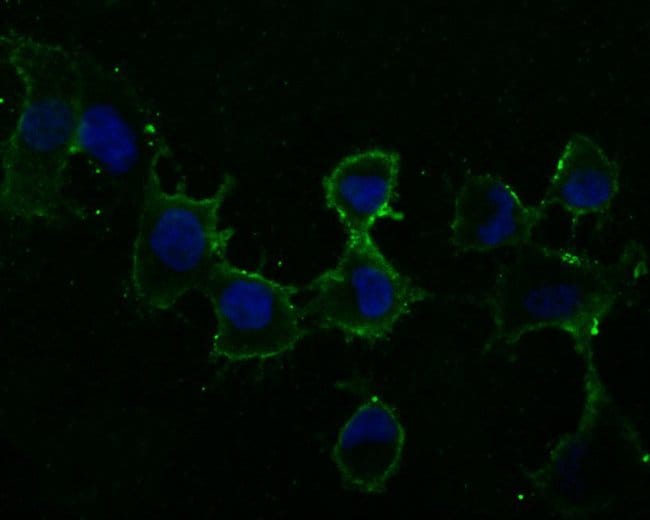
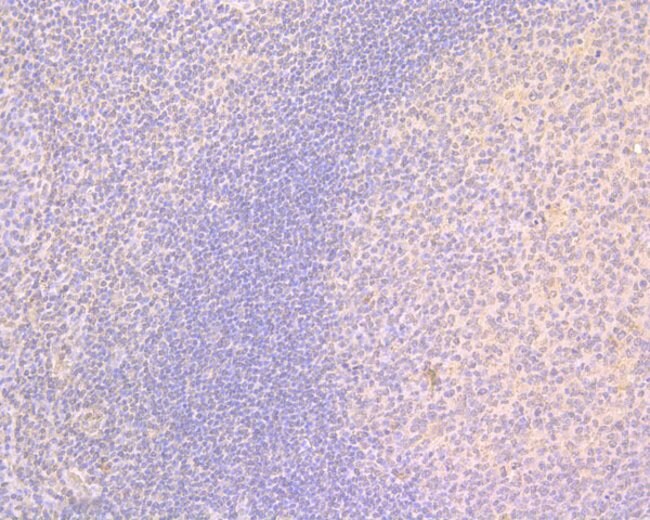
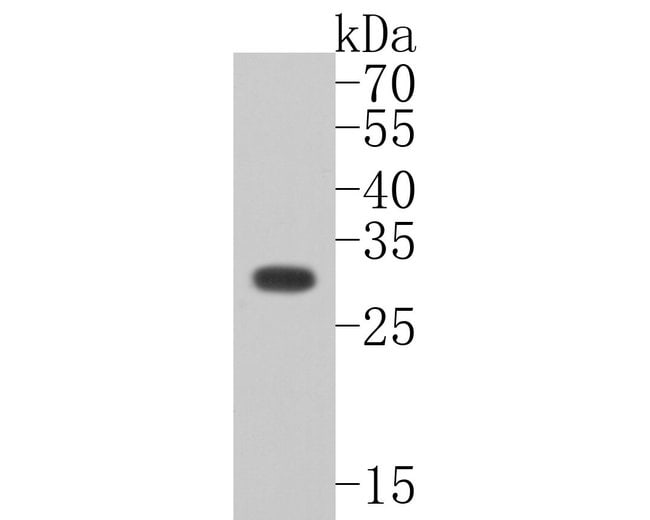
Positive Control: 293 cell lysates, HUVEC, human tonsil tissue. Subcellular Location: Cell membrane, Nucleus, Membrane, Cytoplasm, perinuclear region.
The calcium-dependent plasma membrane protein phospholipid scramblase 1 (PLSCR1) contributes to the transbilayer movement of phosphatidylserine and other membrane phospholipids upon influx of calcium into the cytosol. This movement results in plasma membrane phospholipid remodelling and surface exposure of phosphatidylserine in injured or apoptotic cells, which leads to cell death. Interferons and other cytokines induce expression of PLSCR1, implying that PLSCR1 also functions in cytokine signaling pathways. EGF stilmulation results in tyrosine phosphorylation of PLSCR1 on tyrosines 69 and 74, which allows it to interact with Shc, and thereby connecting Src kinase activation to stimulation of the EGF receptor.

Specifications
Specifications
| Antigen | PLSCR1 |
| Applications | Flow Cytometry, Immunohistochemistry (Paraffin), Western Blot, Immunocytochemistry |
| Classification | Polyclonal |
| Concentration | 1 mg/mL |
| Conjugate | Unconjugated |
| Formulation | TBS with 0.2% BSA, 50% glycerol and 0.05% sodium azide; pH 7.4 |
| Gene | PLSCR1 |
| Gene Accession No. | O15162 |
| Gene Alias | ca(2+)-dependent phospholipid scramblase 1; Erythrocyte phospholipid scramblase; MmTRA1a; MmTRA1b; NOR1; Phospholipid scramblase 1; phospholipid scramblase 2; PL scramblase 1; Plscr1; Tra1; Tra1a; Tra1b; transplantability-associated protein 1; Tras1; Tras2 |
| Gene Symbols | PLSCR1 |
| Show More |
Product Title
By clicking Submit, you acknowledge that you may be contacted by Fisher Scientific in regards to the feedback you have provided in this form. We will not share your information for any other purposes. All contact information provided shall also be maintained in accordance with our Privacy Policy.
Spot an opportunity for improvement?