missing translation for 'onlineSavingsMsg'
Learn More
Learn More
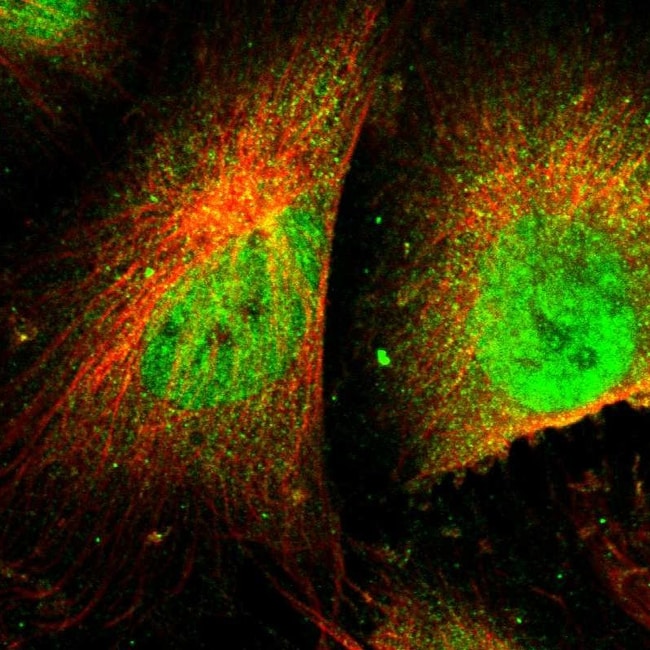
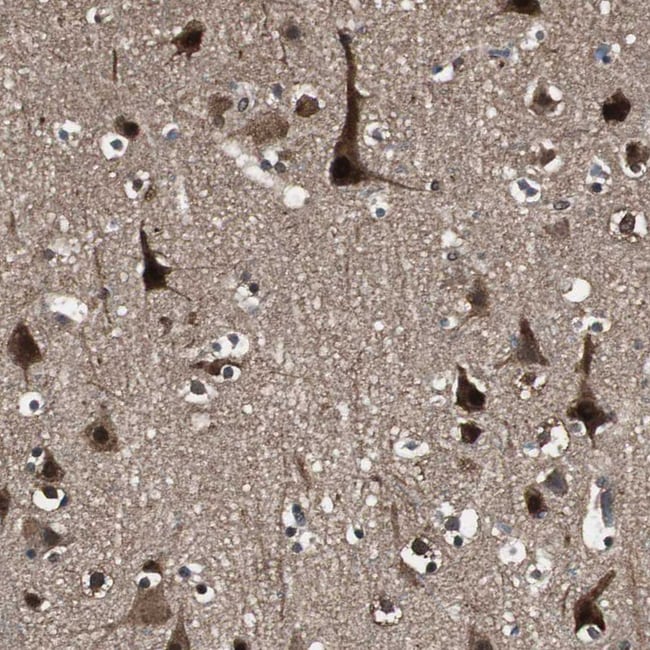
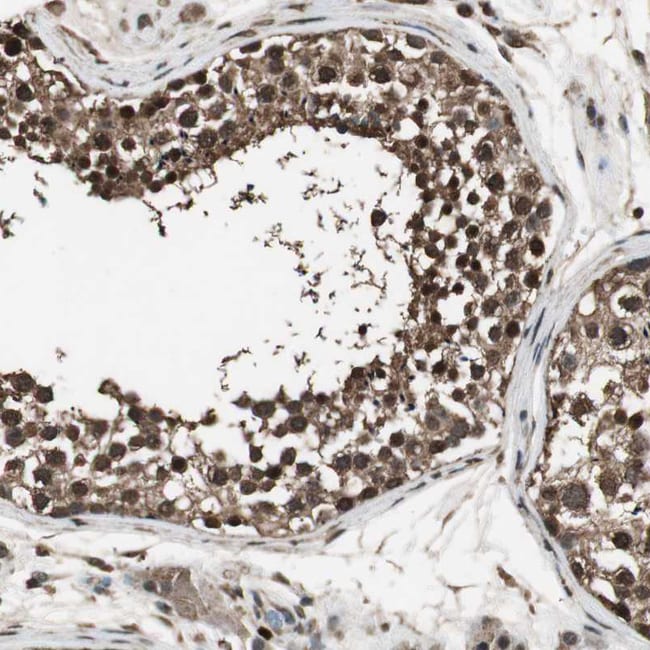
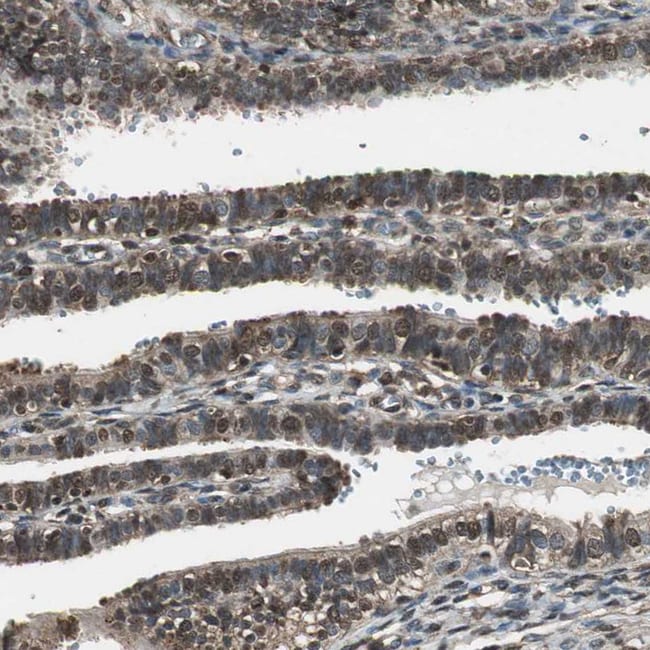
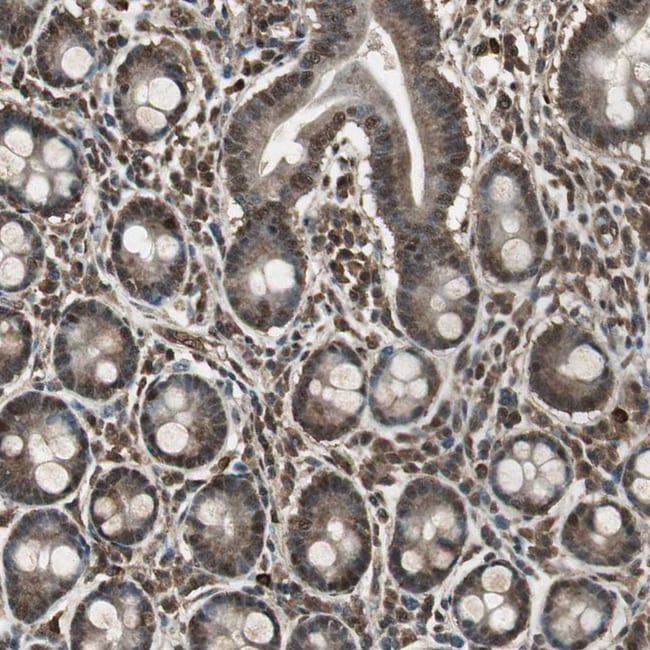
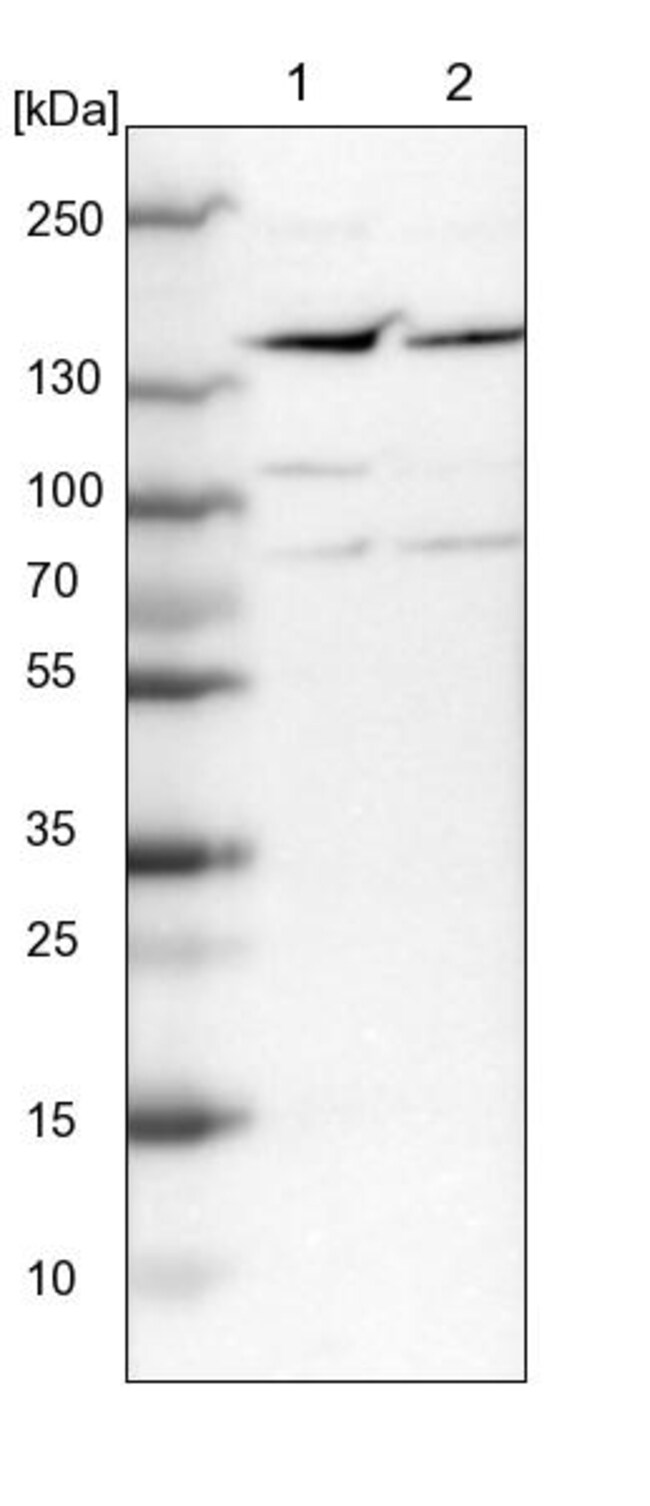
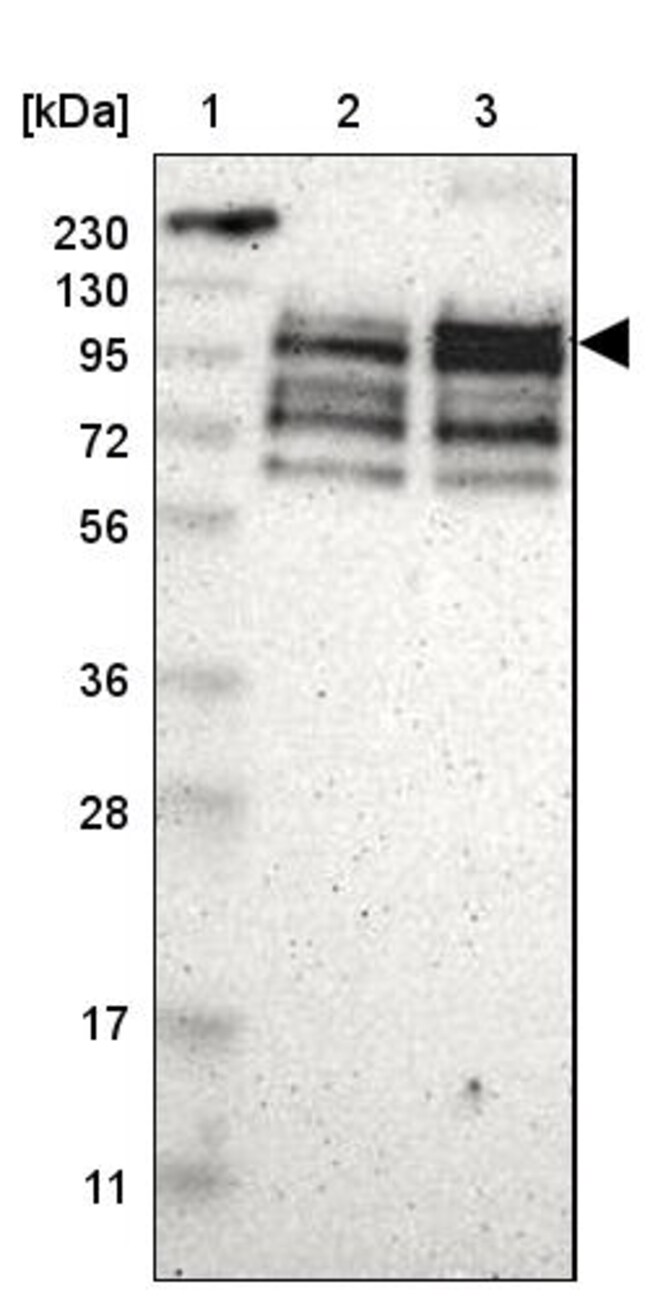
Description
Immunogen sequence: PNIQKLLYQR FNTLAGGMEG TPFYQPSPSQ DFMGTLADVD NGNTNANGNL EELPPAQPTA PLPAEPAPSS DANDNELPSP EPEELICPQT THQTAEPAED NNNNVATVPT TEQIPSPVAE APSPGEEQVP PAPLPPASHP PATSTNK Highest antigen sequence identity to the following orthologs: Mouse - 86%, Rat - 86%.
This gene encodes a member of the ASPP family of p53 interacting proteins. The protein contains four ankyrin repeats and an SH3 domain involved in protein-protein interactions. ASPP proteins are required for the induction of apoptosis by p53-family proteins. They promote DNA binding and transactivation of p53-family proteins on the promoters of proapoptotic genes. Expression of this gene is regulated by the E2F transcription factor.

Specifications
Specifications
| Antigen | PPP1R13B |
| Applications | Immunohistochemistry (Paraffin), Western Blot, Immunocytochemistry |
| Classification | Polyclonal |
| Concentration | 0.1 mg/mL |
| Conjugate | Unconjugated |
| Formulation | PBS with 40% glycerol and 0.02% sodium azide; pH 7.2 |
| Gene | PPP1R13B |
| Gene Accession No. | Q62415, Q96KQ4 |
| Gene Alias | AI449786; Apoptosis-stimulating of p53 protein 1; apoptosis-stimulating protein of p53, 1; ASPP1; AW545810; KIAA0771; p53BP2-like; p85; Ppp1r13b; Protein phosphatase 1 regulatory subunit 13B; protein phosphatase 1, regulatory (inhibitor) subunit 13B; protein phosphatase 1, regulatory subunit 13B; Tp53bp2; transformation related protein 53 binding protein 2; Trp53bp2; tumor protein p53 binding protein, 2; tumor protein p53-binding protein, 2 |
| Gene Symbols | PPP1R13B |
| Show More |
Product Title
By clicking Submit, you acknowledge that you may be contacted by Fisher Scientific in regards to the feedback you have provided in this form. We will not share your information for any other purposes. All contact information provided shall also be maintained in accordance with our Privacy Policy.
Spot an opportunity for improvement?