missing translation for 'onlineSavingsMsg'
Learn More
Learn More
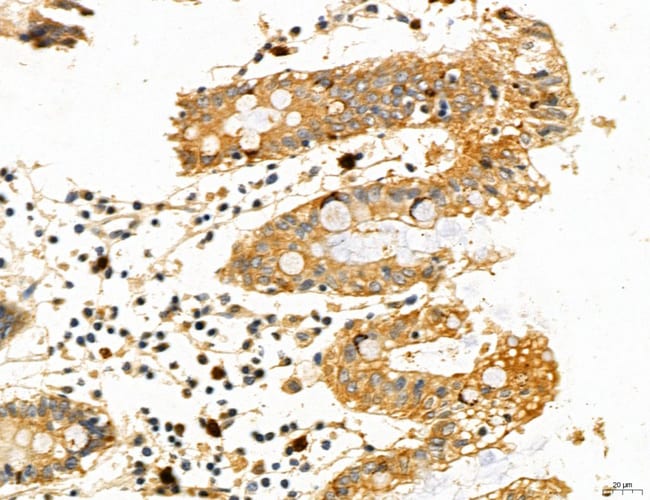
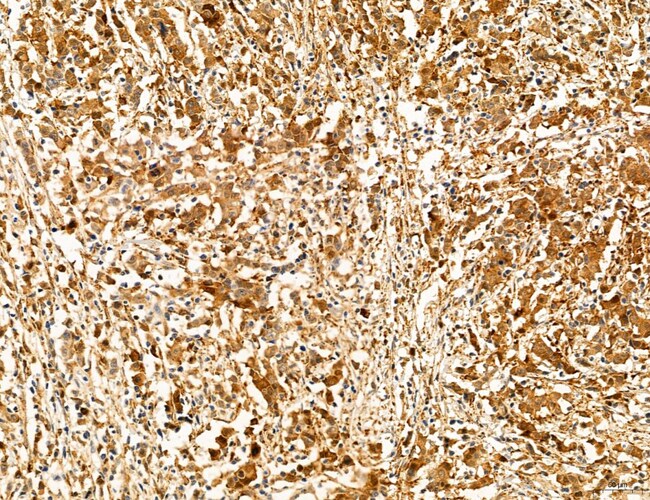
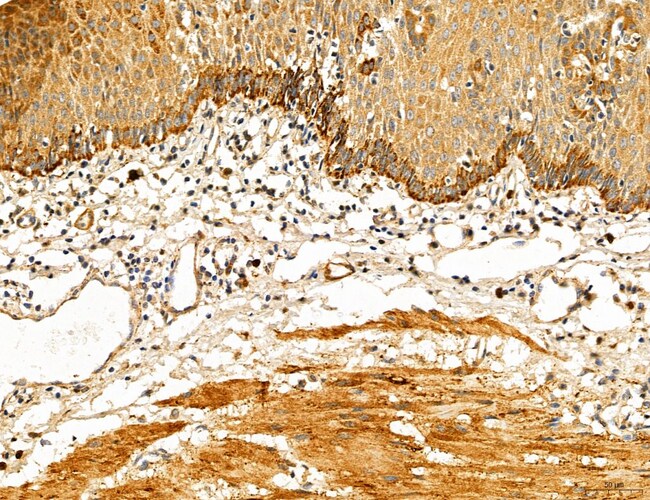
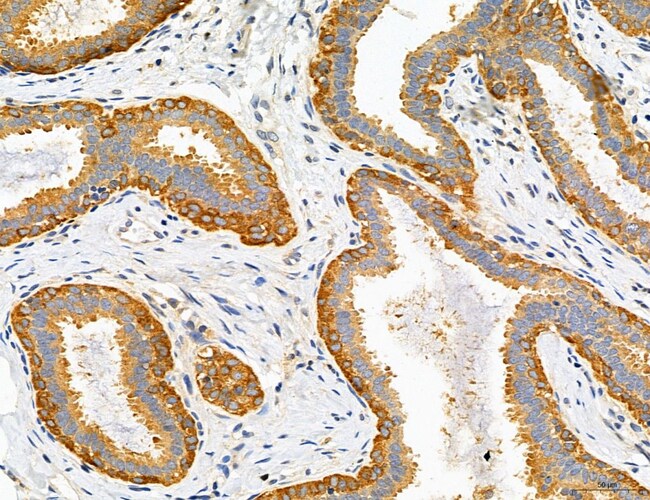
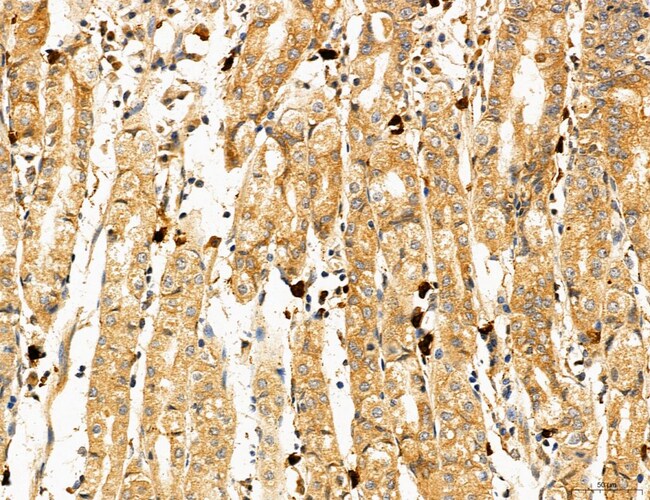
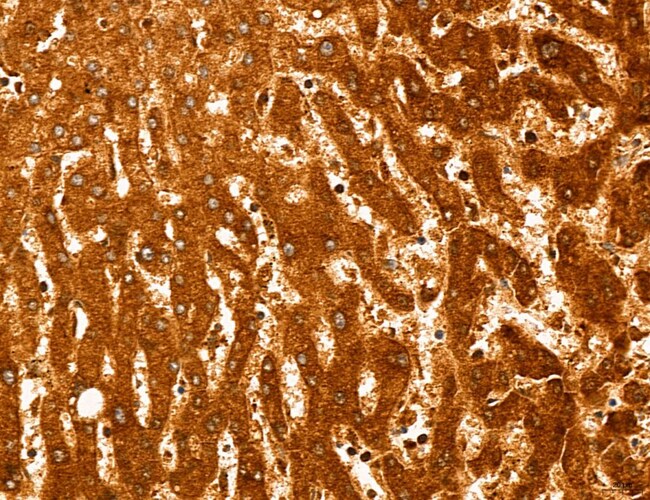
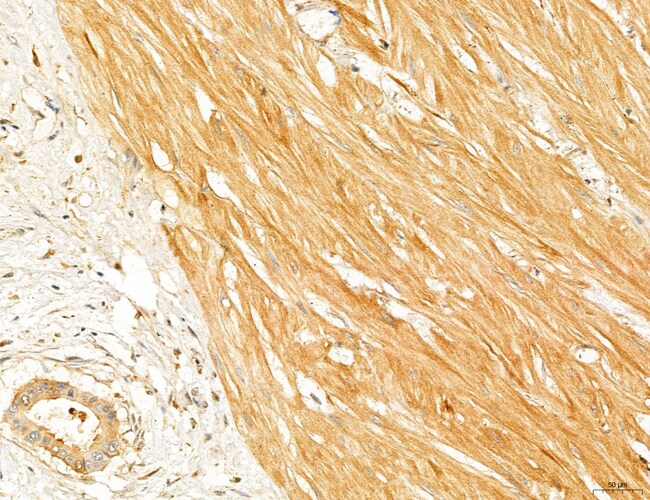
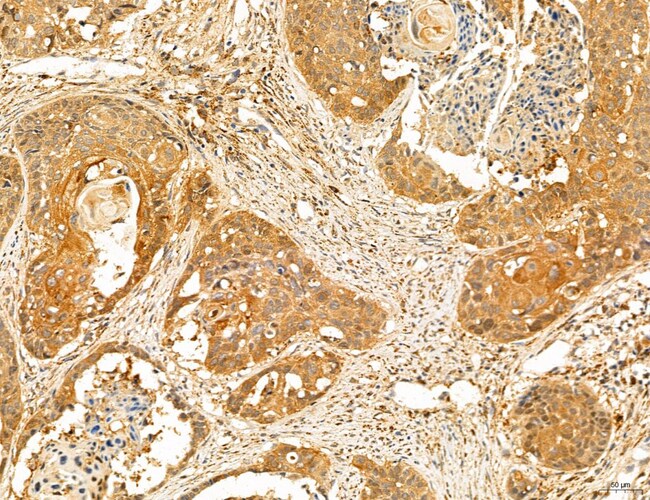
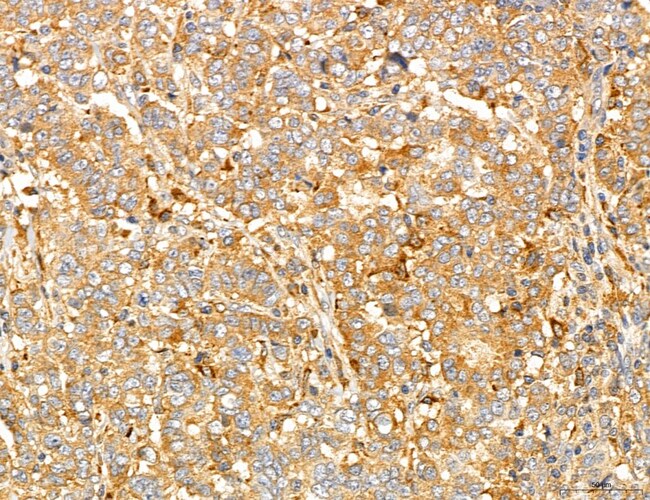
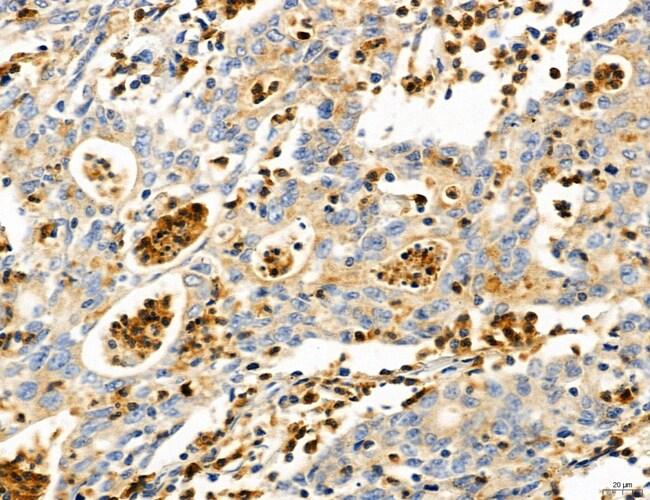
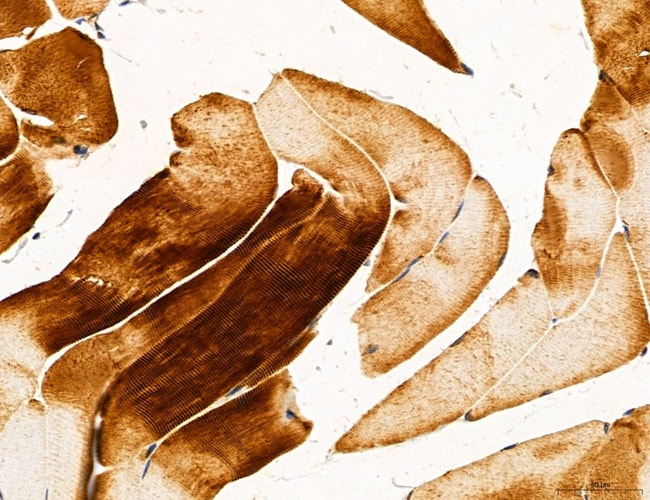
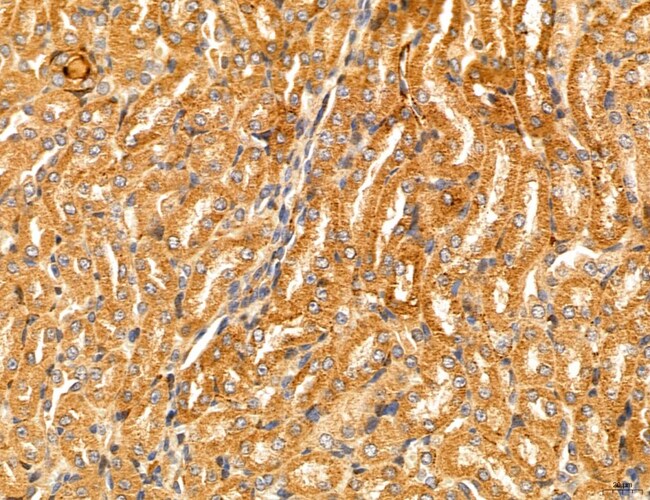
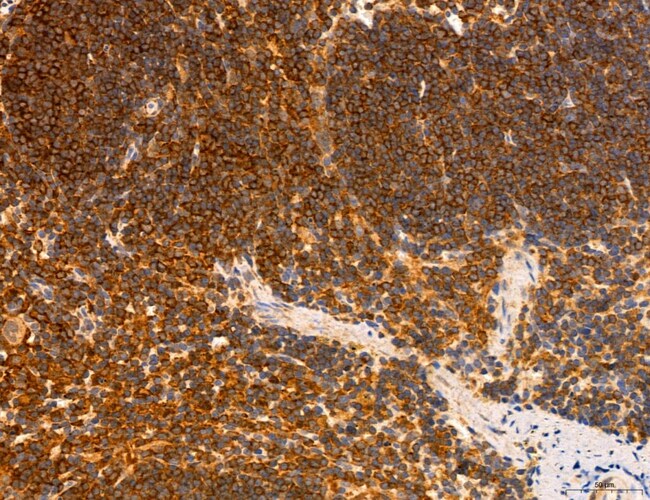
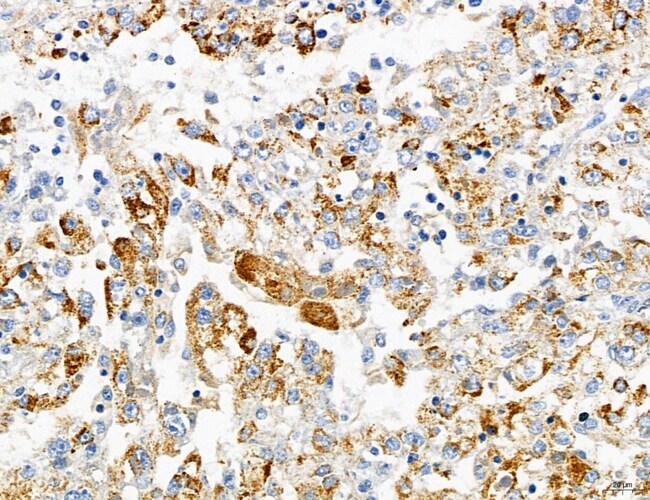
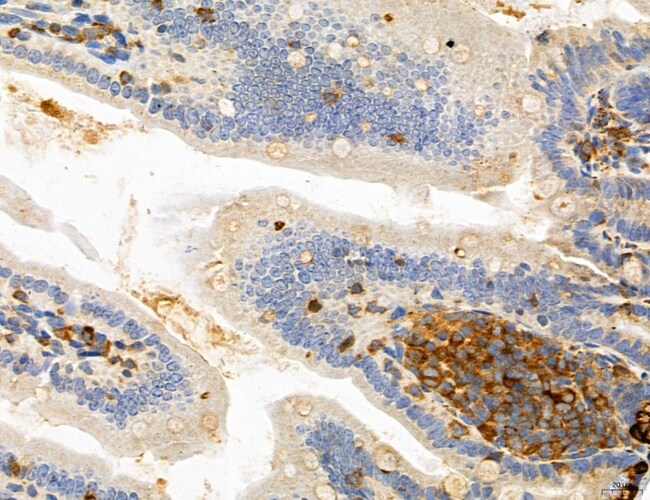
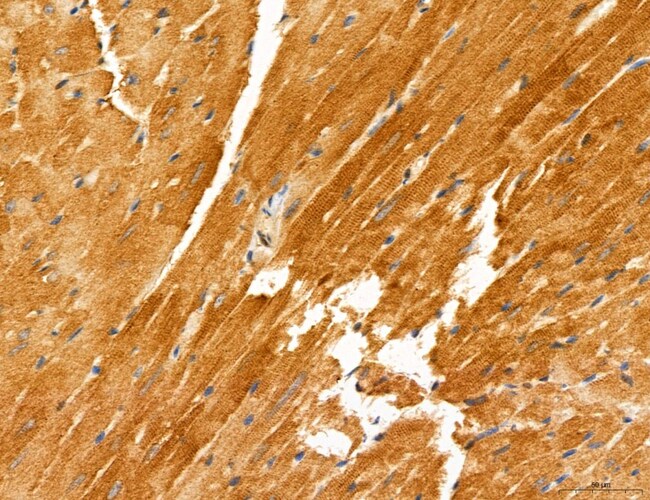
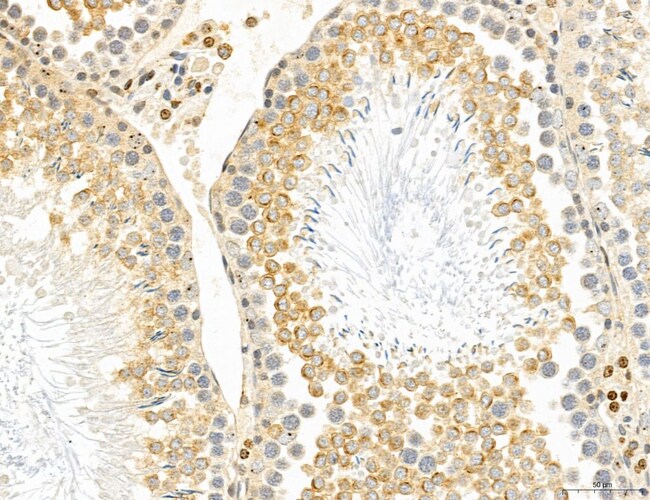
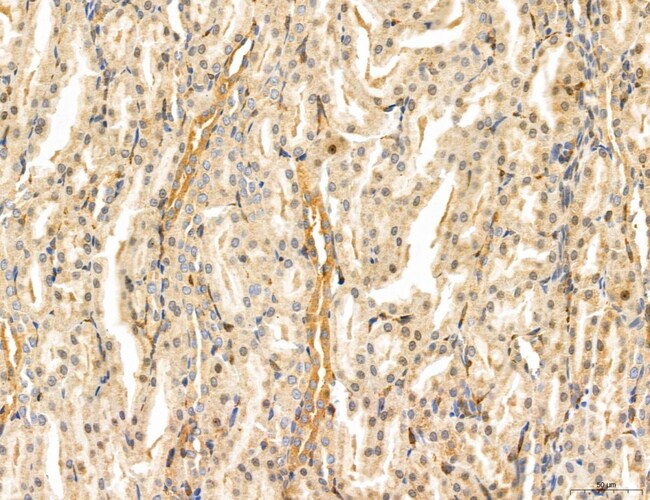
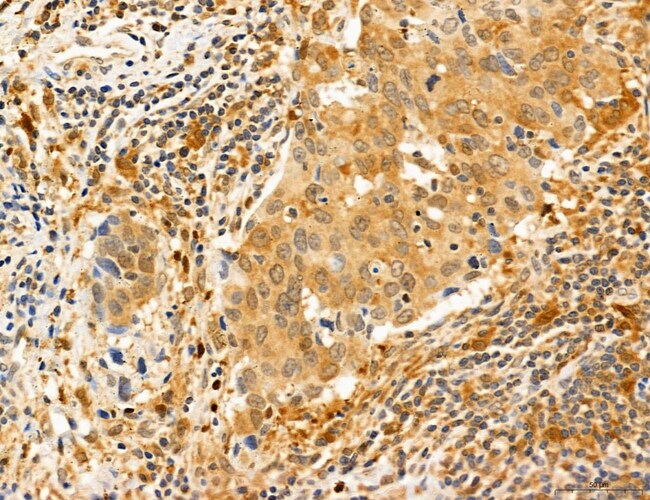
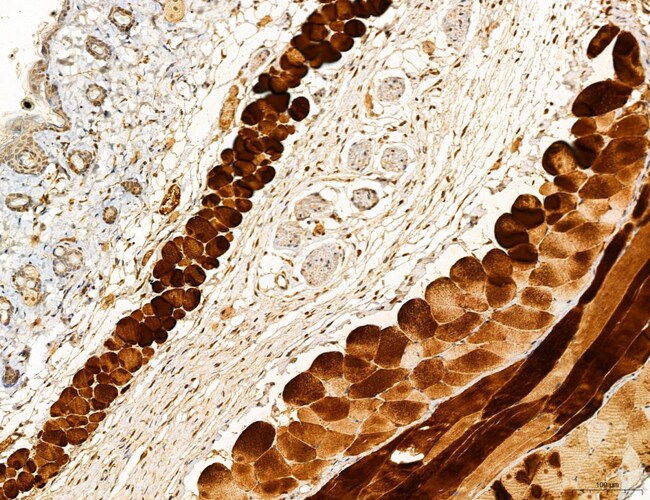
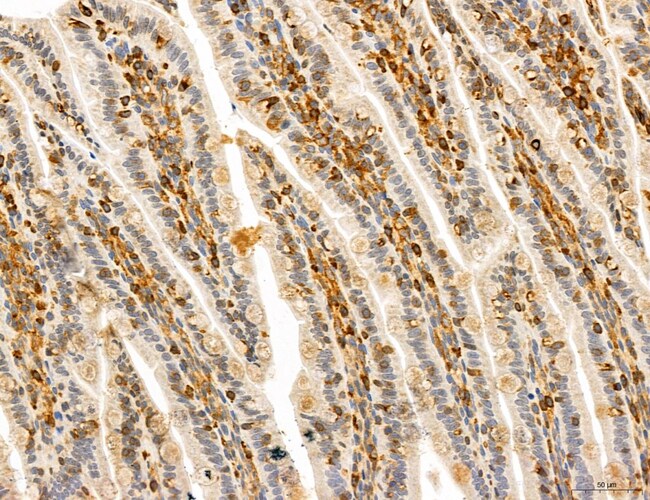
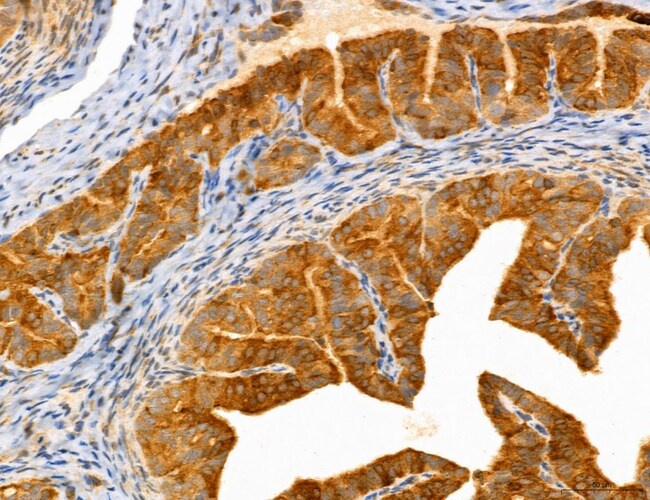
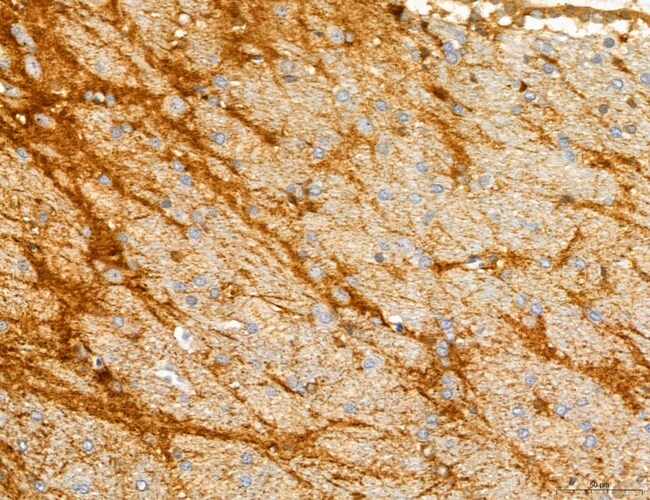
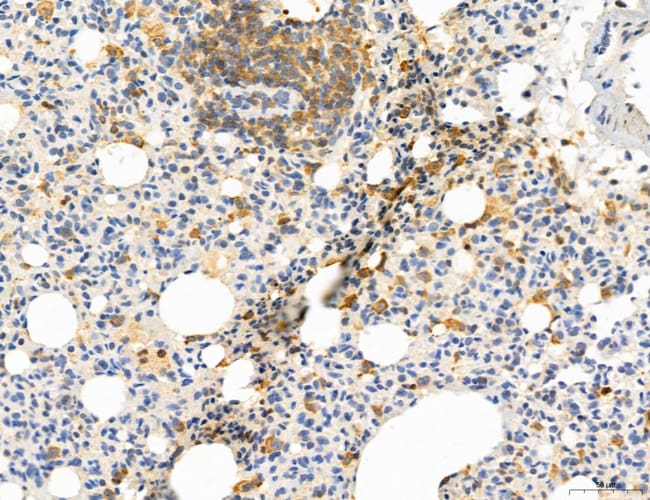
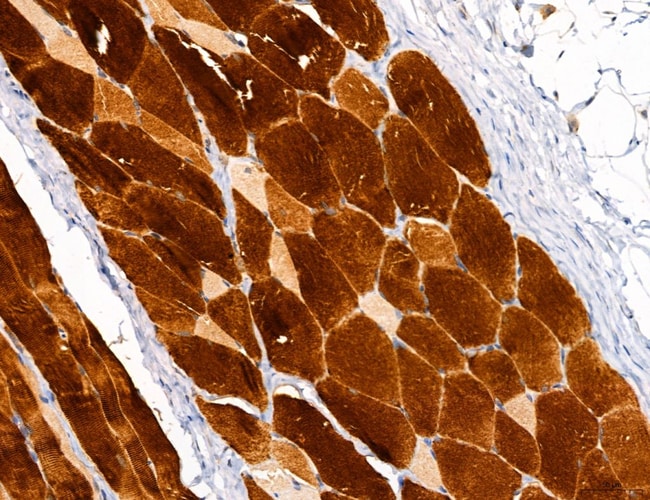
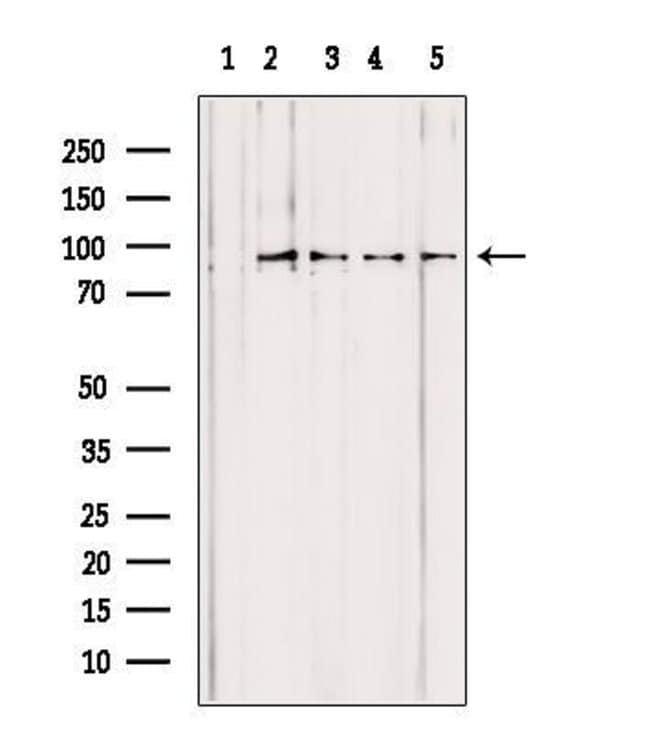
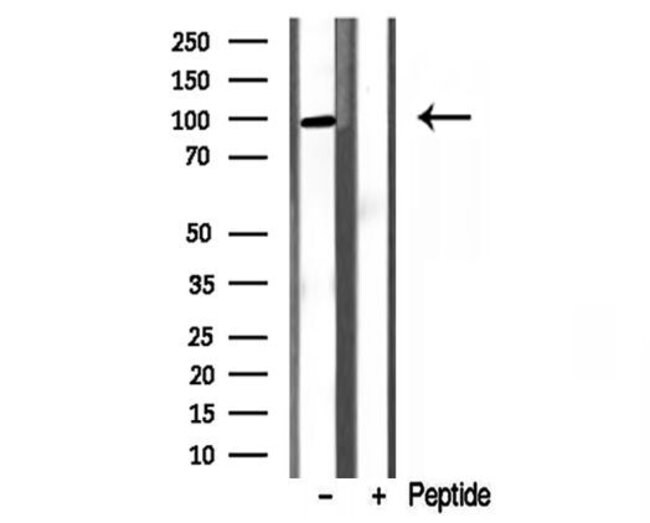
Invitrogen™ PYGL Polyclonal Antibody

Description
Antibody detects endogenous levels of total PYGL.
This gene encodes a homodimeric protein that catalyses the cleavage of alpha-1,4-glucosidic bonds to release glucose-1-phosphate from liver glycogen stores. This protein switches from inactive phosphorylase B to active phosphorylase A by phosphorylation of serine residue 15. Activity of this enzyme is further regulated by multiple allosteric effectors and hormonal controls. Humans have three glycogen phosphorylase genes that encode distinct isozymes that are primarily expressed in liver, brain and muscle, respectively. The liver isozyme serves the glycemic demands of the body in general while the brain and muscle isozymes supply just those tissues. In glycogen storage disease type VI, also known as Hers disease, mutations in liver glycogen phosphorylase inhibit the conversion of glycogen to glucose and results in moderate hypoglycemia, mild ketosis, growth retardation and hepatomegaly. Alternative splicing results in multiple transcript variants encoding different isoforms.

Specifications
Specifications
| Antigen | PYGL |
| Applications | Immunohistochemistry (Paraffin), Western Blot |
| Classification | Polyclonal |
| Concentration | 1 mg/mL |
| Conjugate | Unconjugated |
| Formulation | PBS with 50% glycerol and 0.02% sodium azide; pH 7.4 |
| Gene | PYGL |
| Gene Accession No. | P06737, P09811, Q9ET01 |
| Gene Alias | glycogen liver; Glycogen phosphorylase, liver form; GPLL; GSD6; Lgp; liver glycogen phosphorylase; phosphorylase, glycogen, liver; PYGL |
| Gene Symbols | PYGL |
| Show More |
Product Title
By clicking Submit, you acknowledge that you may be contacted by Fisher Scientific in regards to the feedback you have provided in this form. We will not share your information for any other purposes. All contact information provided shall also be maintained in accordance with our Privacy Policy.
Spot an opportunity for improvement?