Pipette Specific Tips
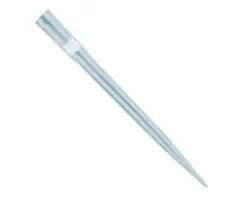
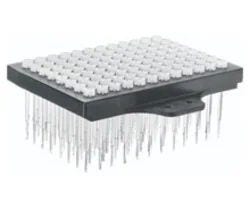
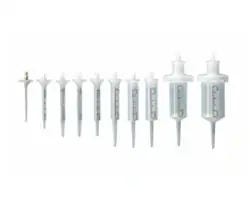
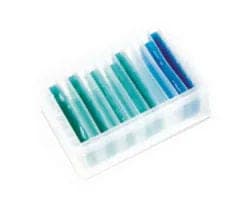
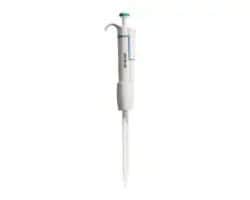
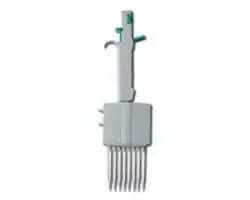
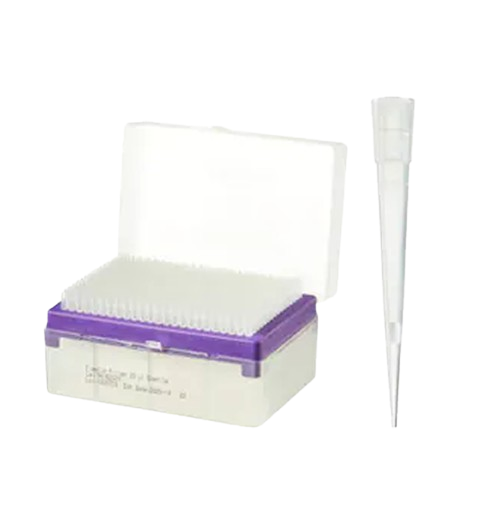
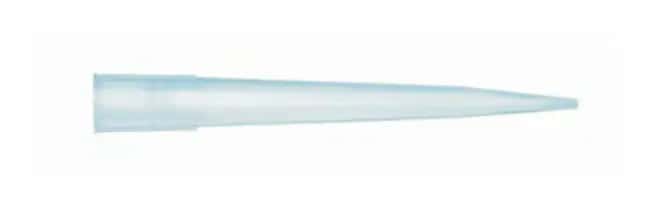
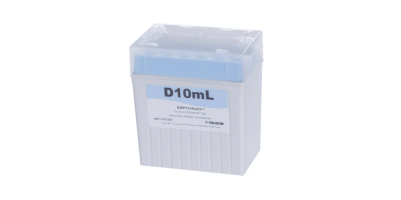
Pipette Specific Tips are disposable and designed to fit specific manufacturers’ single and multichannel pipettes. For best results, use the pipette tips compatible with your pipettor manufacturer. Manufacturer specific tips are available sterile or non-sterile, in a range of sizes, styles and colors and with or without filters. They may be sold in bulk packaging, in racks, individually wrapped, blister-packed or in reload formats. Universal pipette tips can be substituted for manufacturer specific tips.



Useful Links
Save Now - Exclusive Deals

Product Code 10217620

Product Code 10620803

Product Code 13286269
Product Code 13184554

Product Code 11588442

Product Code 10367132

Product Code 11749855

Product Code 11894782

Product Code 15286293

Product Code 11803440

Product Code 11937754

Product Code 10357852

Product Code 10078930

Product Code 13197873
Must Have

Product Code 11793913

Product Code 11782584
Product Code 13107634

Product Code 10164694

Product Code 11568442

Product Code 11742584

Product Code 10014554

Product Code 17744339

Product Code 13266259

Product Code 13197304
Complete Your Order - Great Deals

FAQ
Pipette-specific tips offer several benefits in a laboratory setting, including enhanced precision and accuracy tailored to the specific pipette model. These tips are designed to provide an optimal fit, ensuring a secure seal and reducing the risk of leaks or inconsistent volume dispensing. Using pipette-specific tips can improve the efficiency of workflows by ensuring compatibility and reducing the need for adjustments. Additionally, they help maintain the integrity of experiments by minimizing sample loss and cross-contamination, which is crucial for sensitive assays and applications.
Proper maintenance and storage of pipette-specific tips are essential for ensuring their performance and longevity. Store tips in a clean, dry environment to prevent contamination and damage. Keep them in their original packaging until use to maintain sterility and prevent exposure to dust and other contaminants. Regularly inspect tips for any signs of damage or defects before use. Avoid touching the tips with bare hands to prevent contamination. Ensure that the tips are compatible with the specific pipette model being used. Proper handling and storage practices will help maintain the integrity and reliability of pipette-specific tips.
Common issues with pipette-specific tips include improper fit or compatibility with pipettes, which can lead to leaks or inconsistent volume dispensing. Ensure that the tips are compatible with the pipette model being used and are properly attached. Contamination is another issue; always handle tips with care and store them properly to maintain sterility. Clogging can occur if tips are not used correctly or if they are damaged. Regularly inspect and replace tips as needed to prevent clogging. By addressing these common issues through proper selection, handling, and storage, you can ensure the reliable performance of your pipette-specific tips.
Shop By Brand